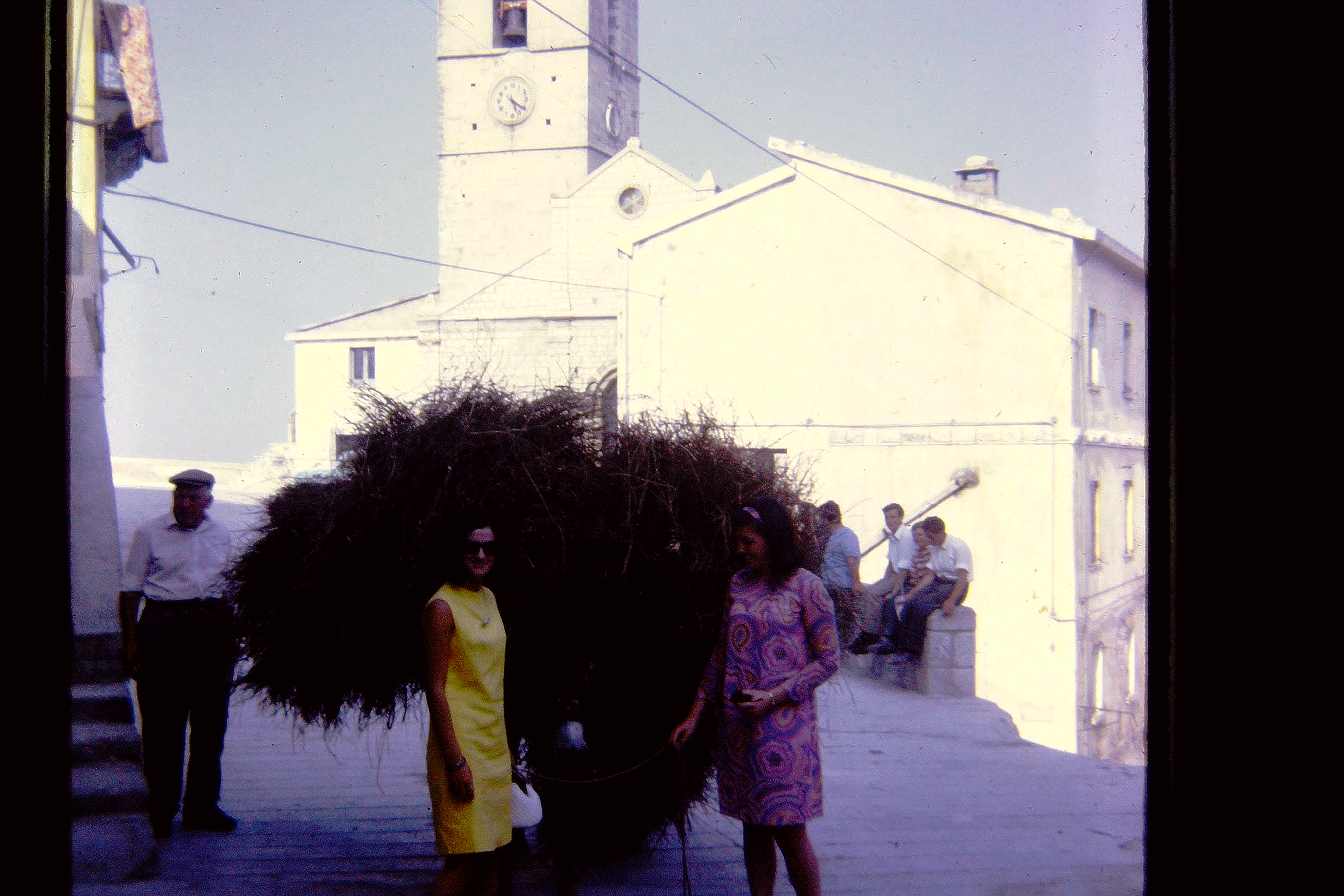
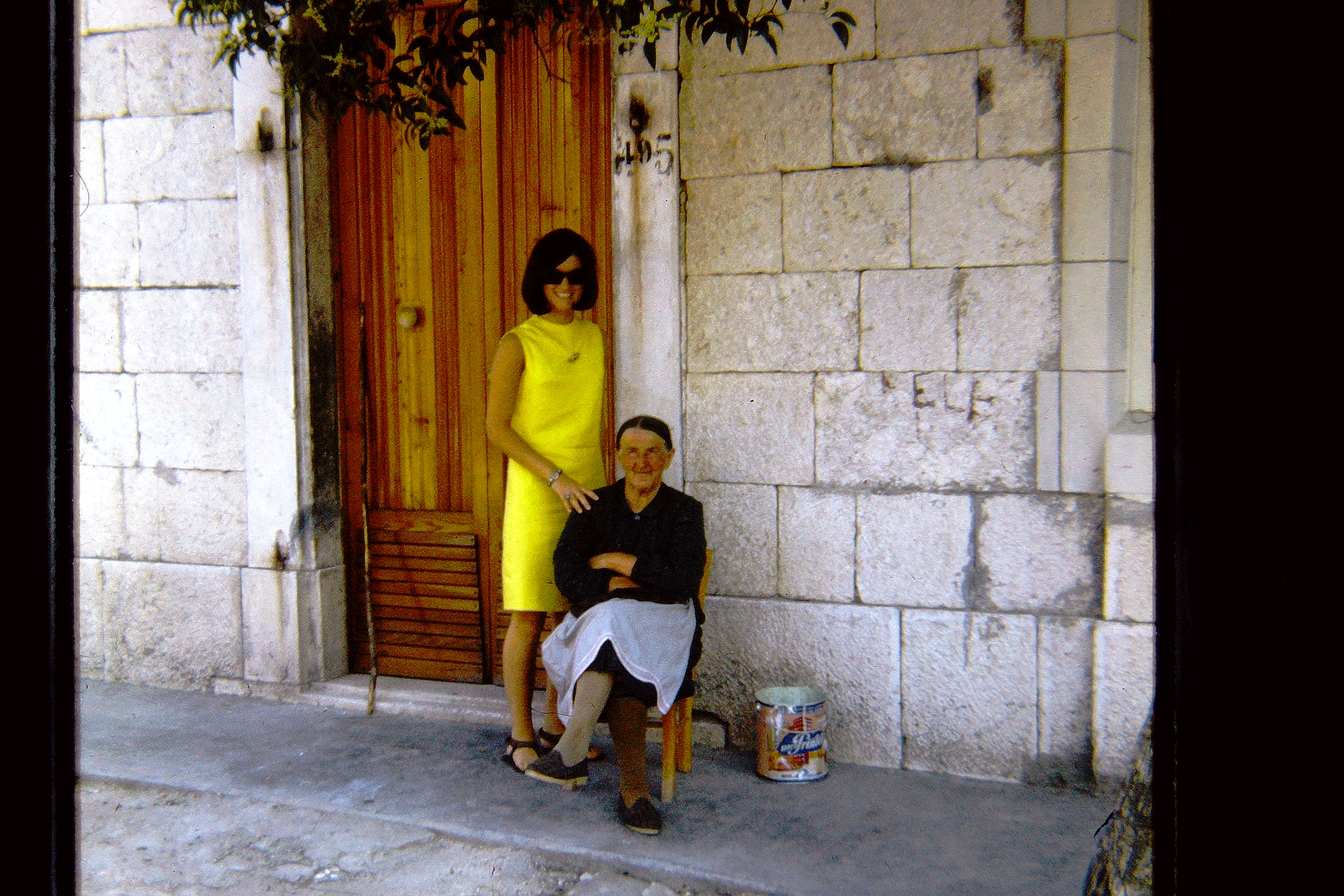
The VillageIl Paese
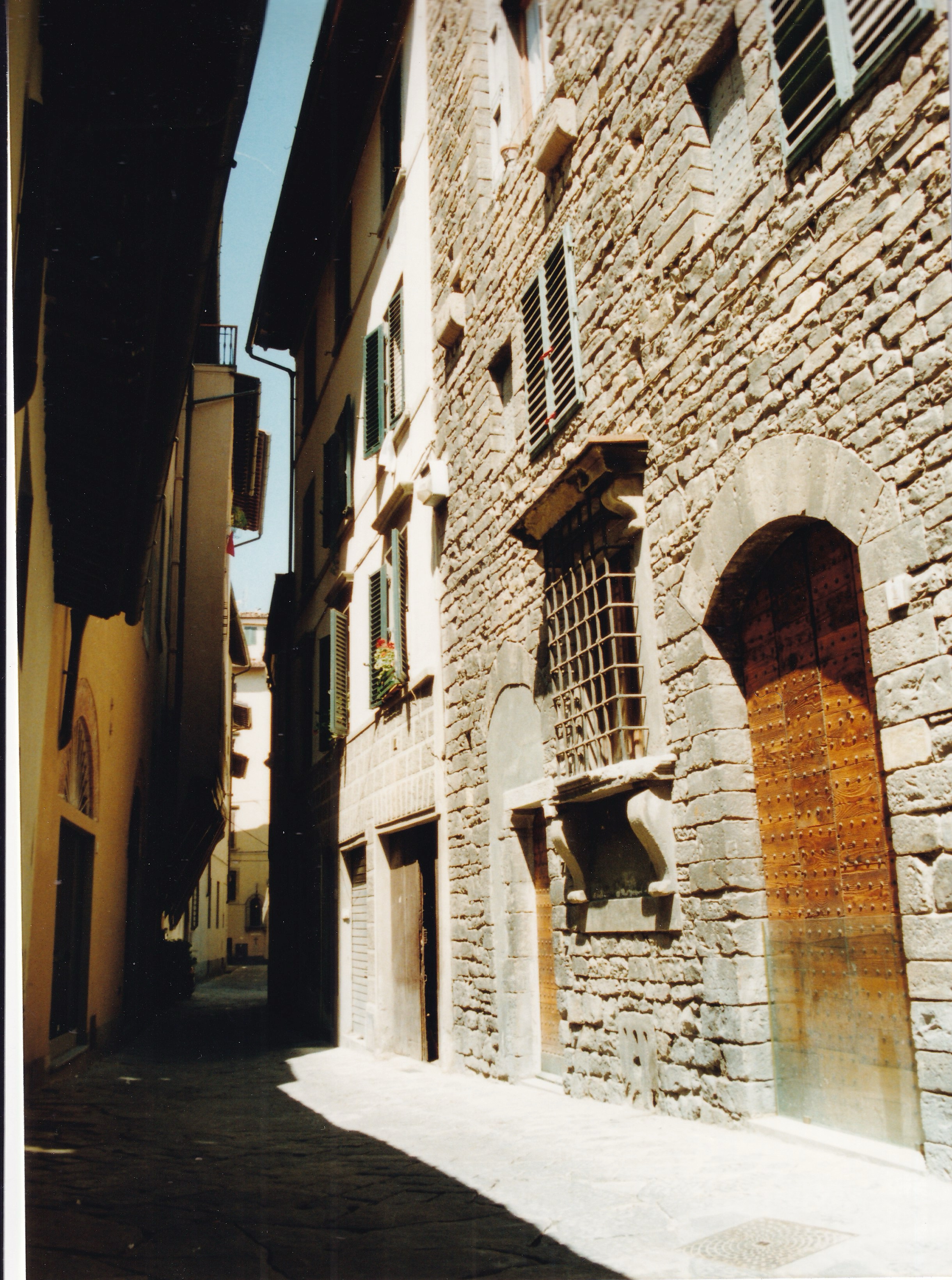
A village perched on a rocky spur Un borgo su uno sperone di roccia
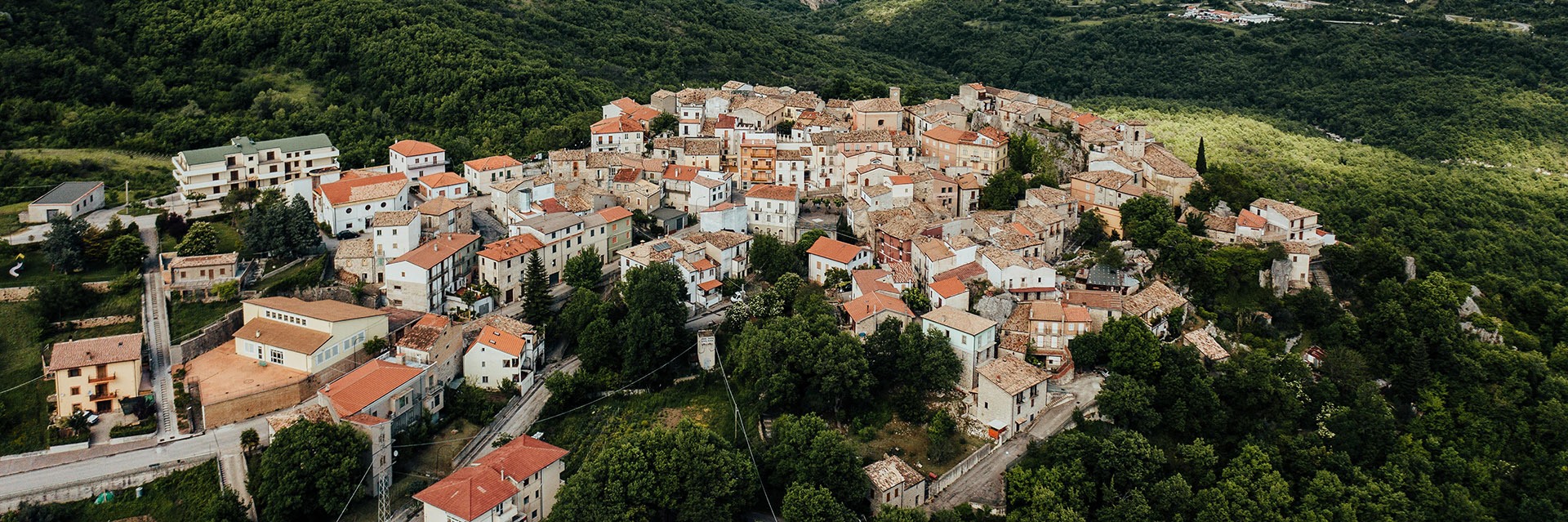
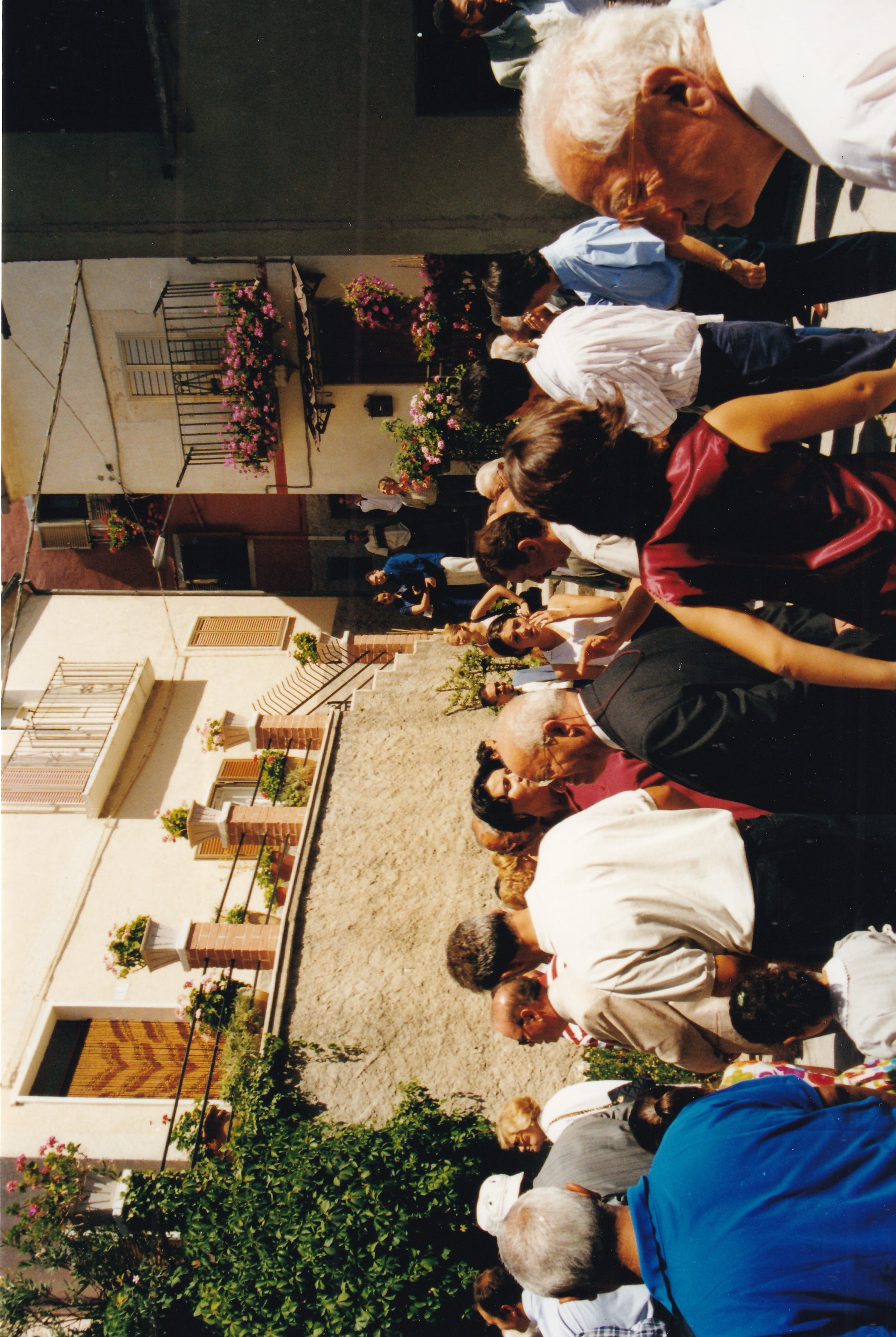
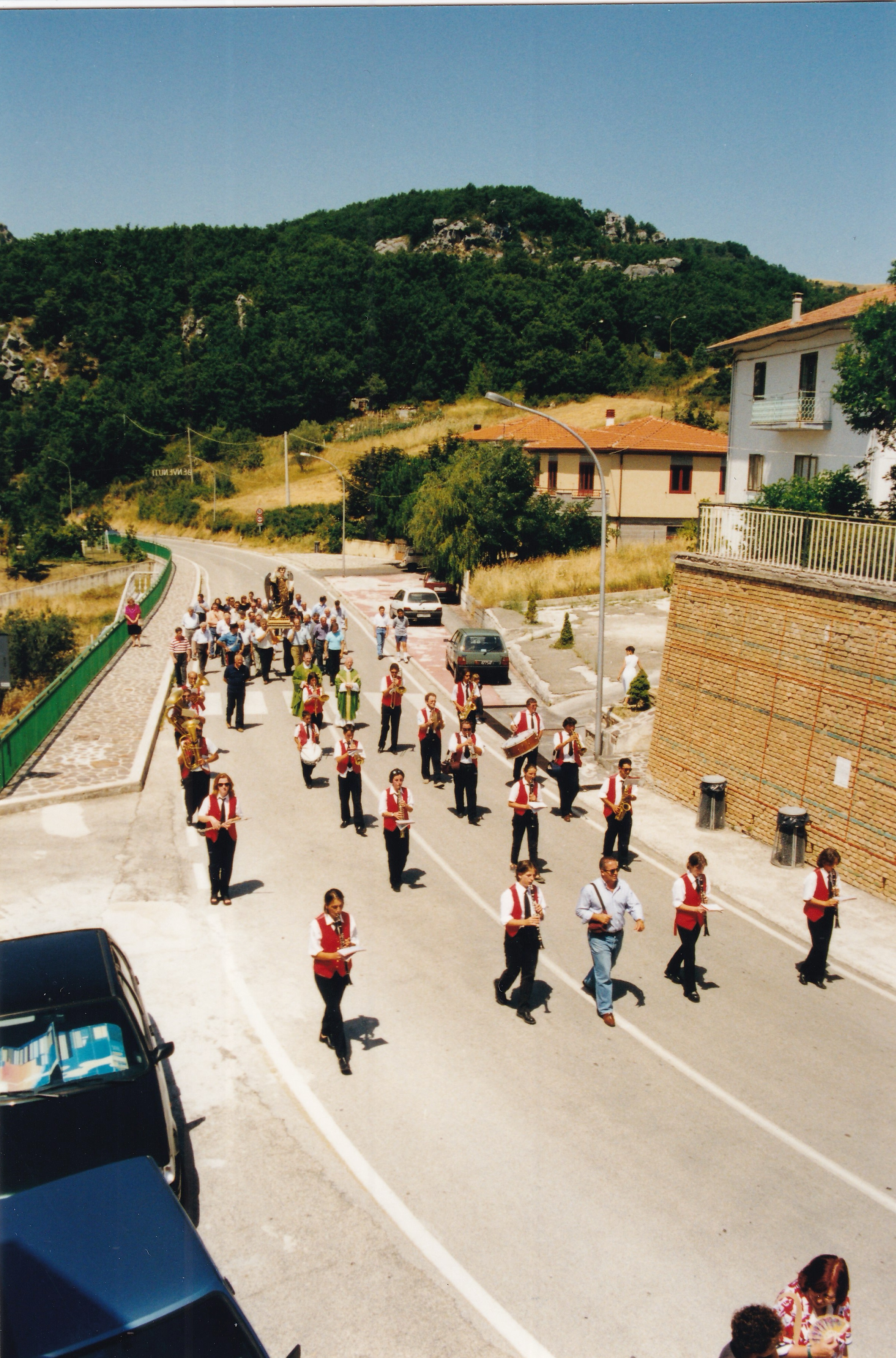
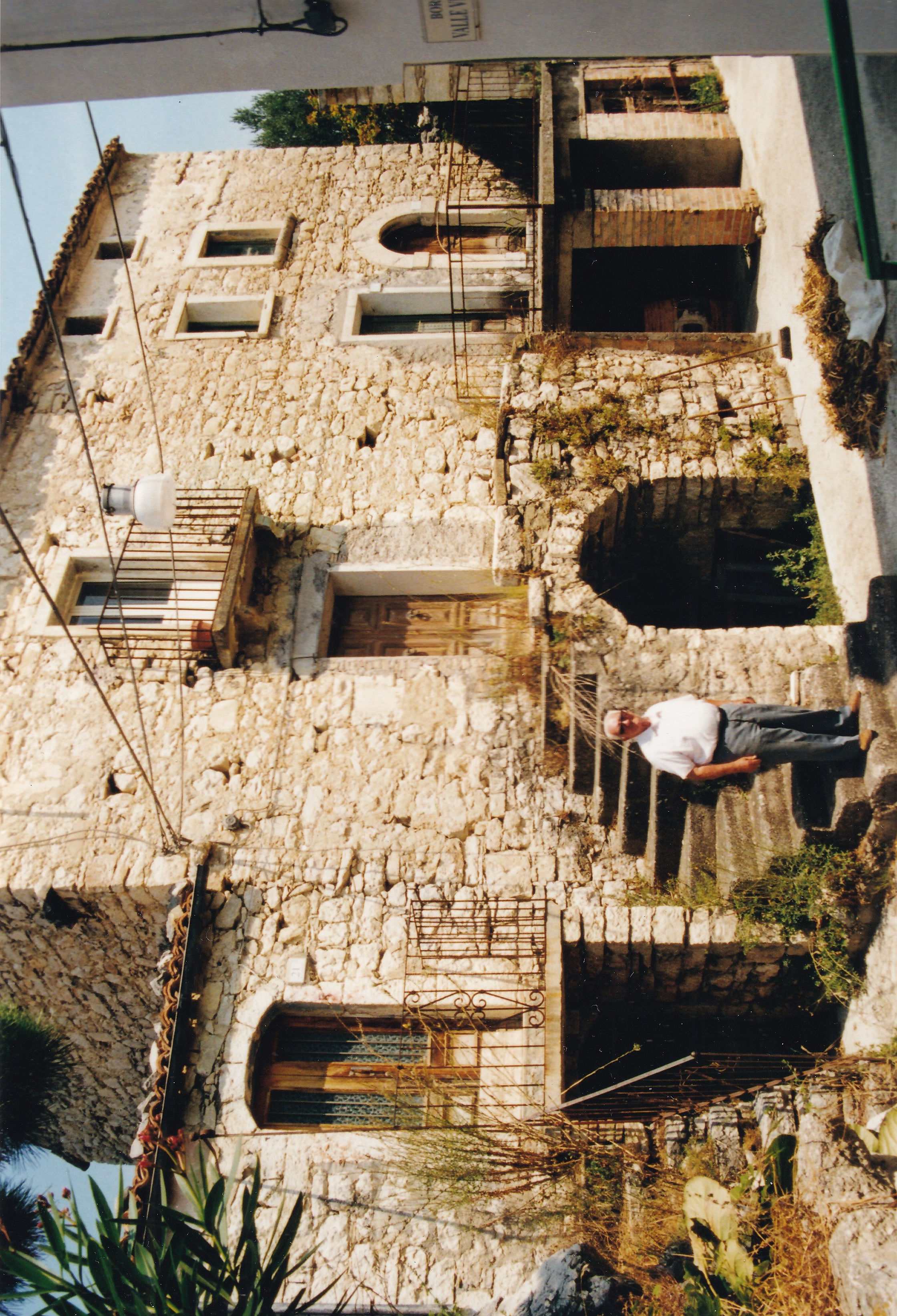
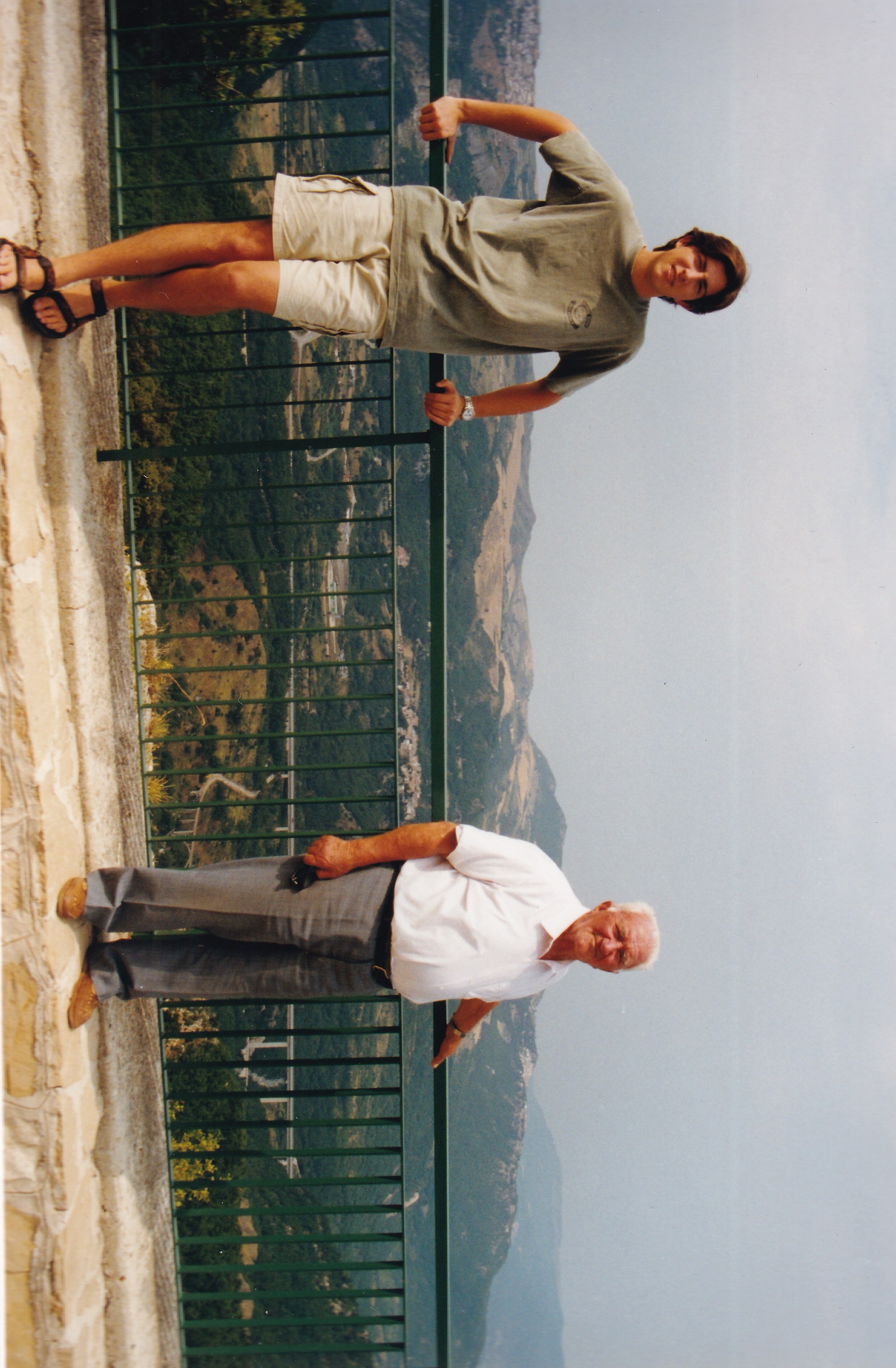
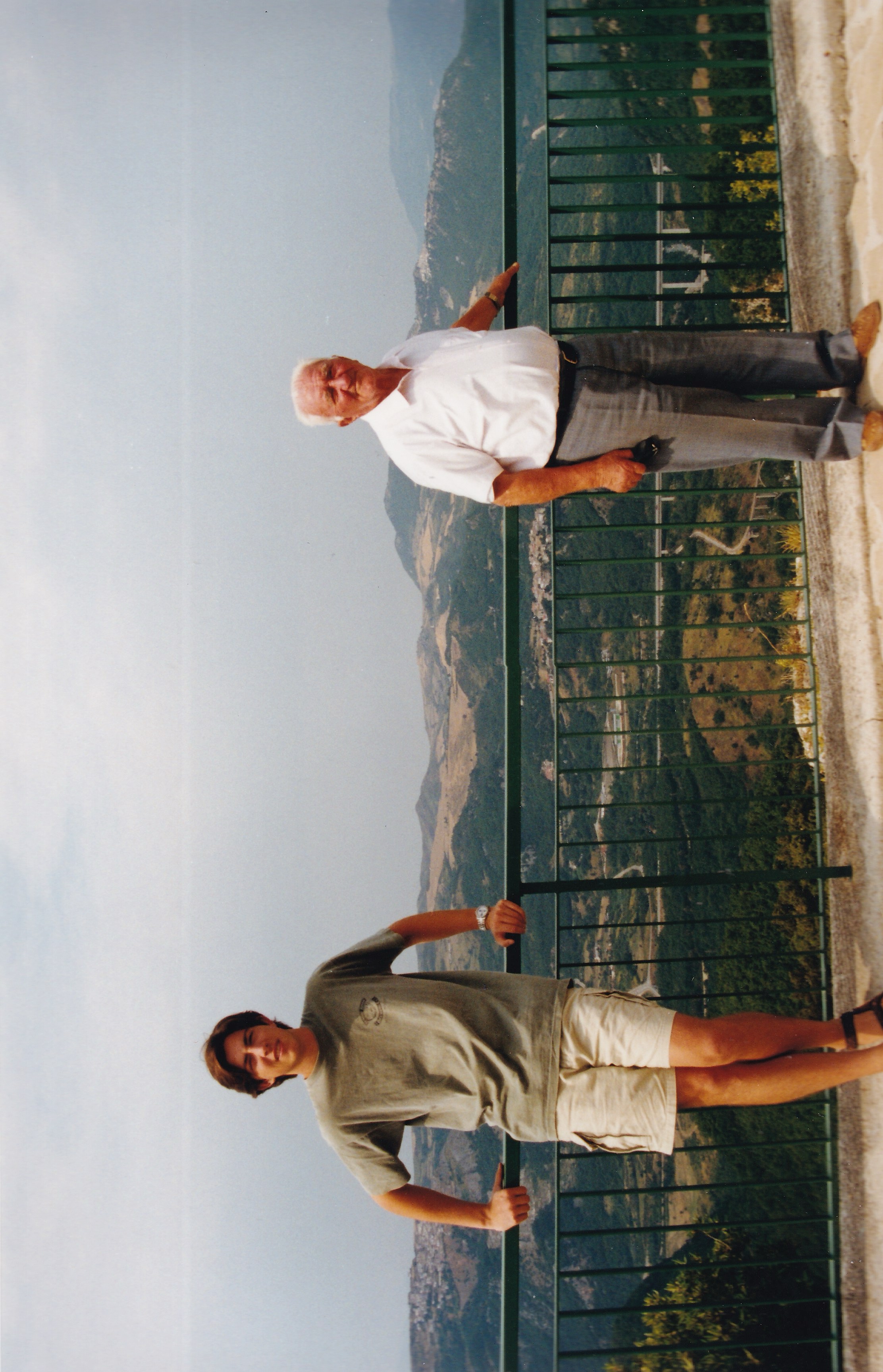
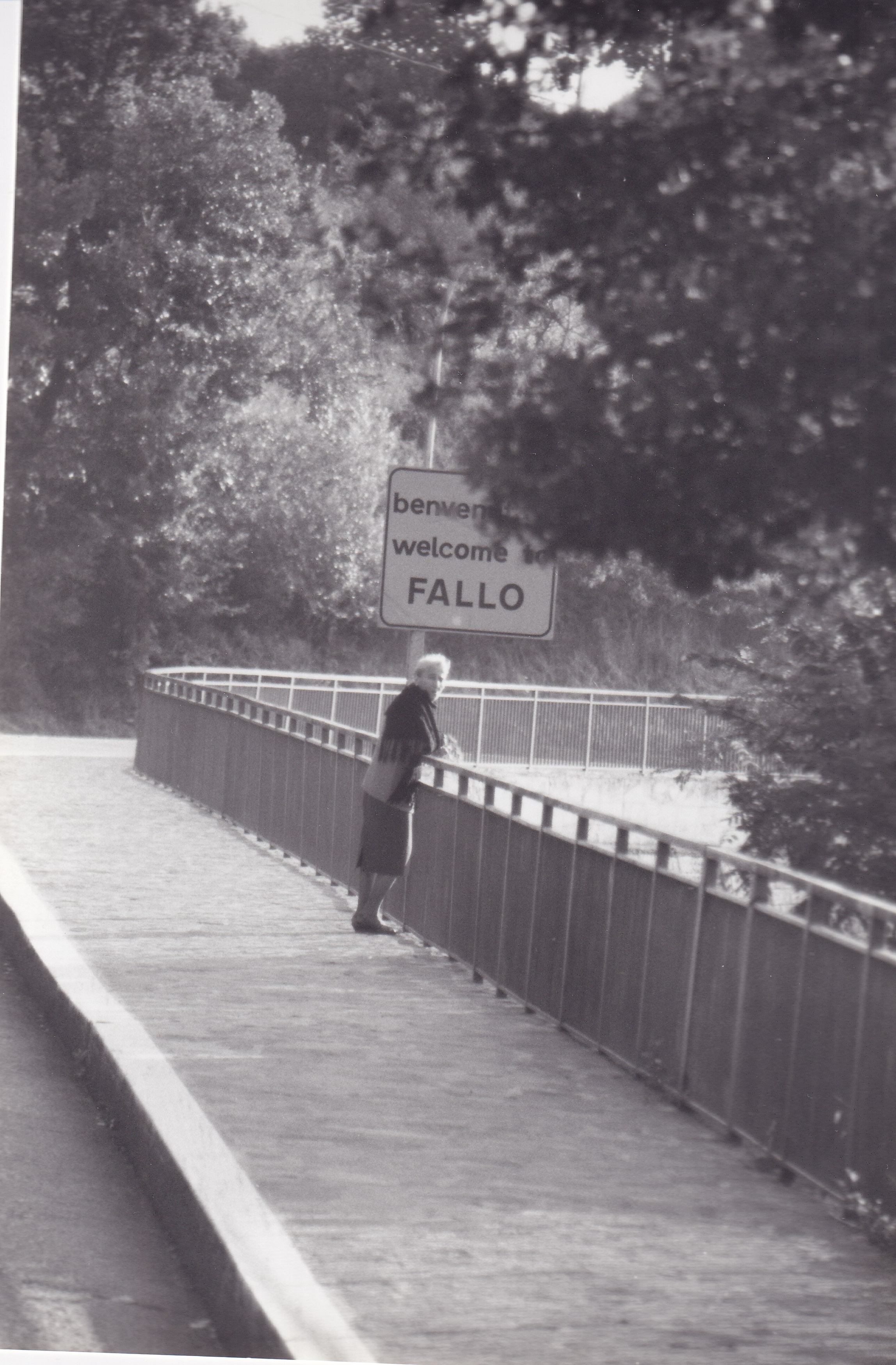
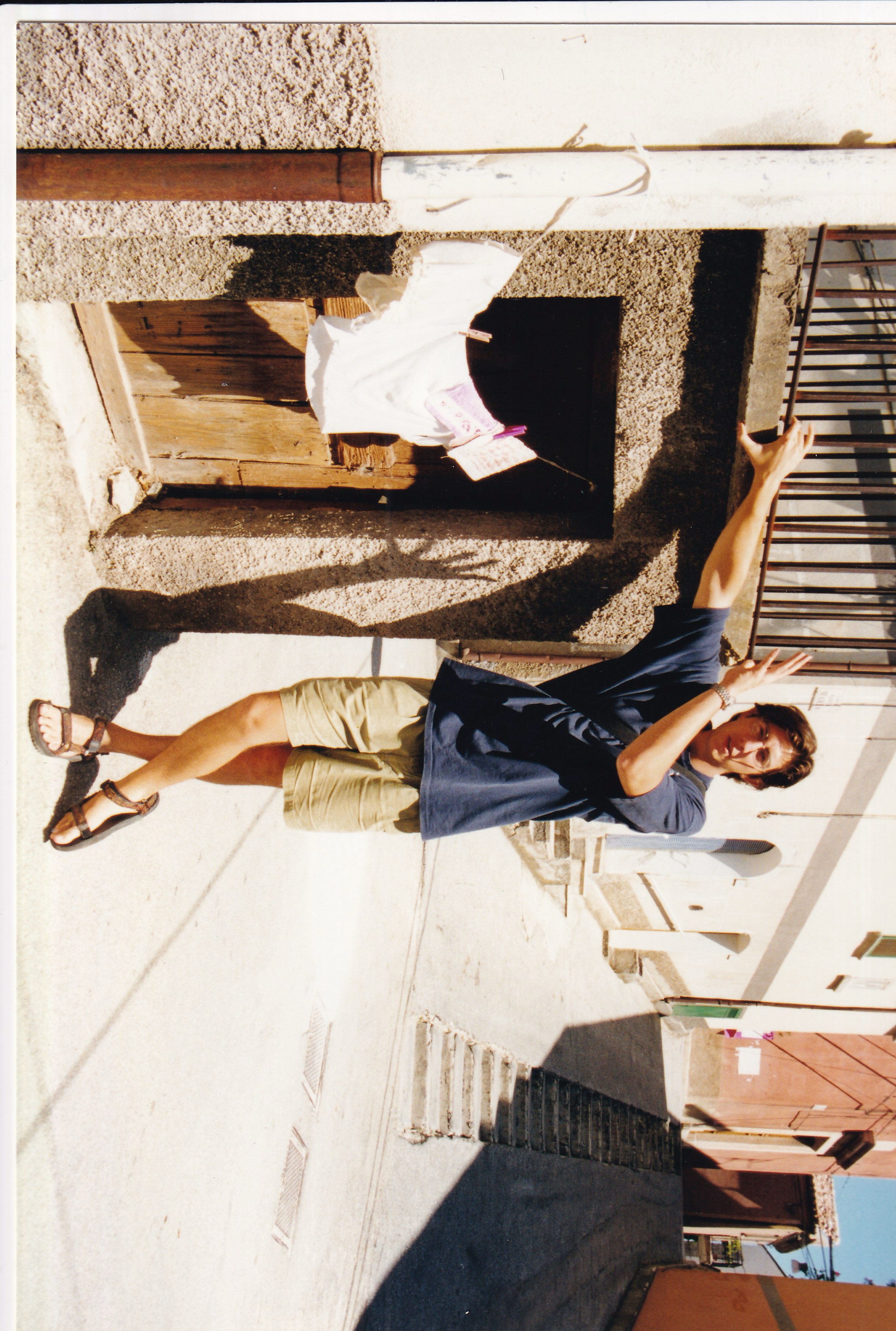
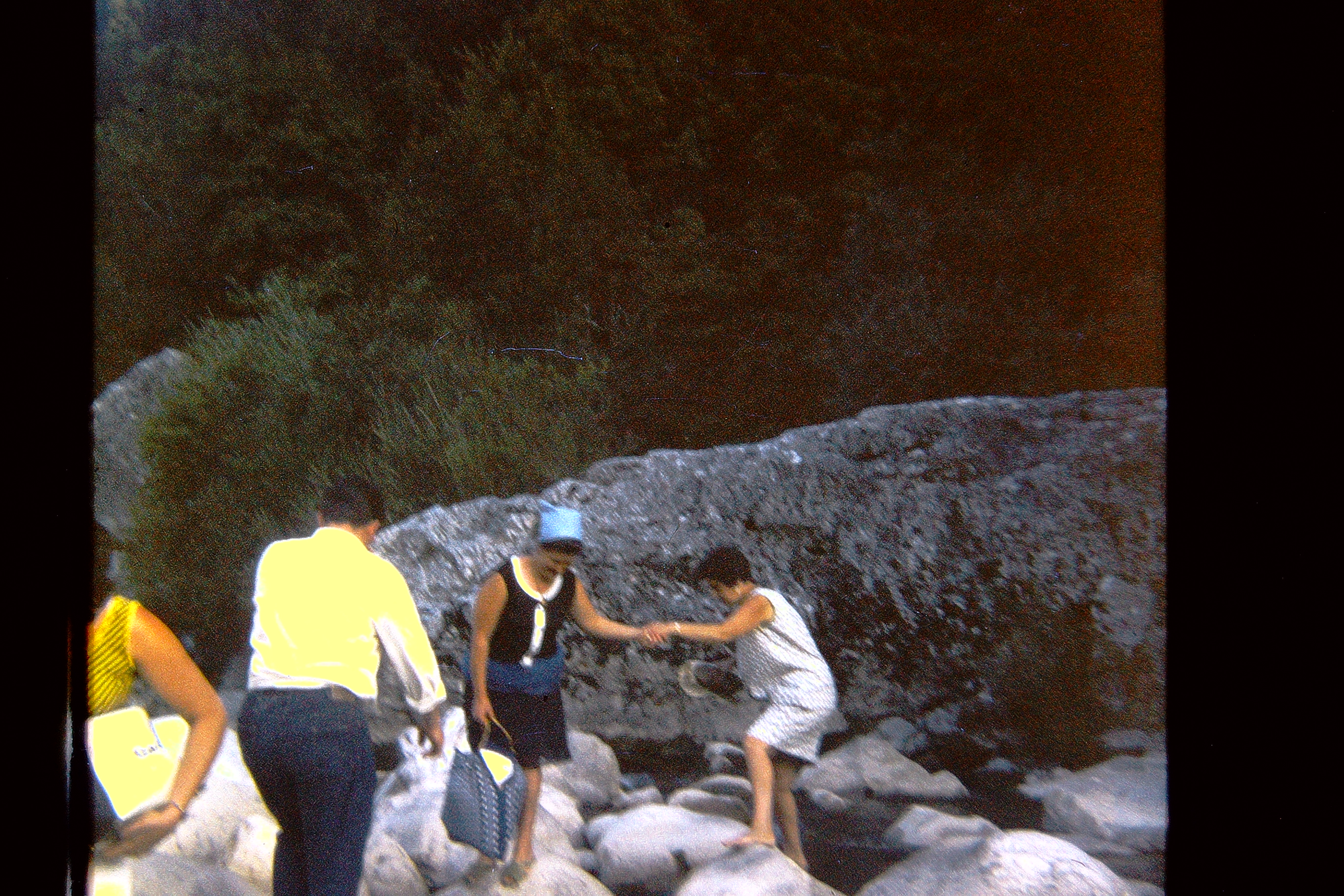
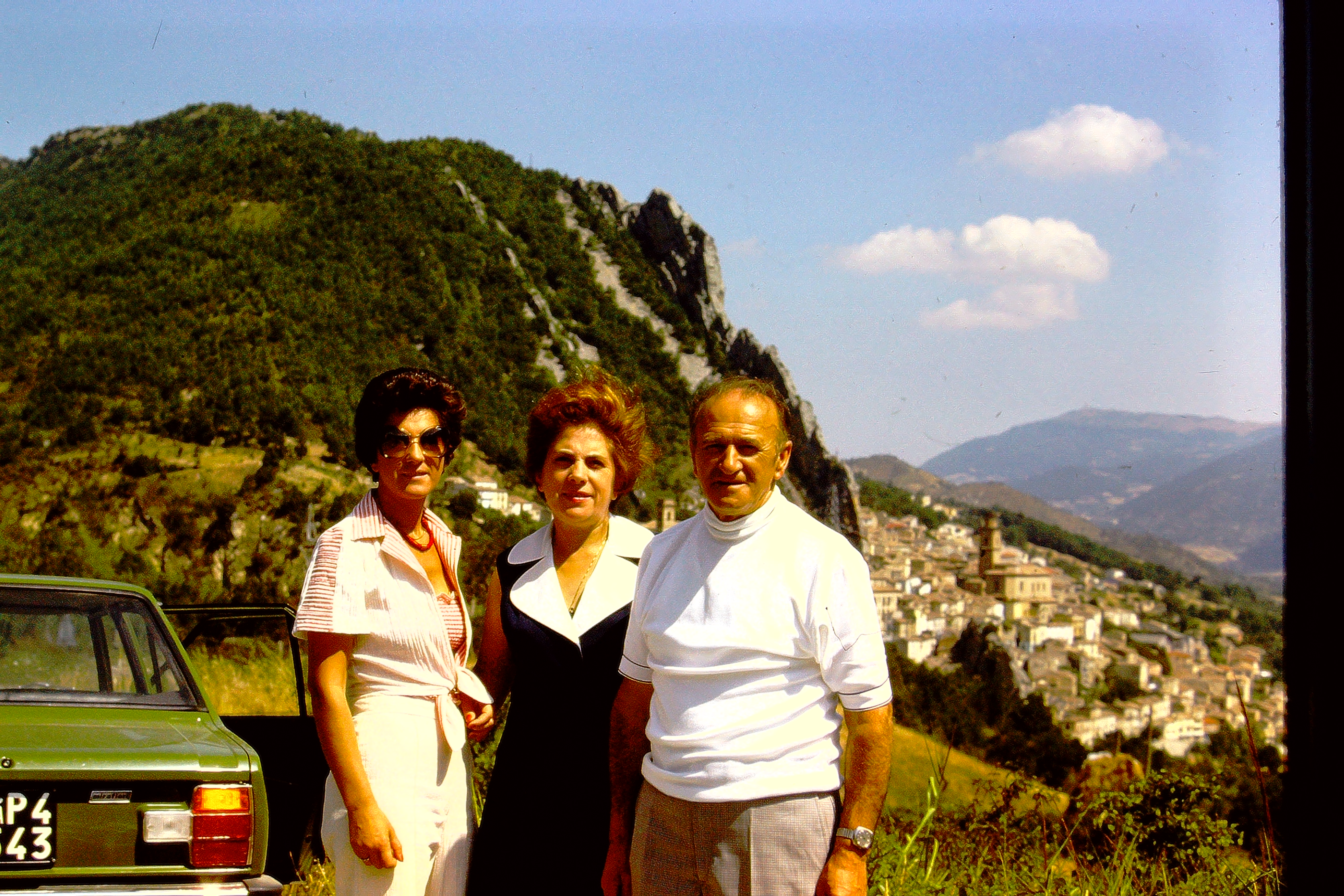
Fallo stands on a charming hill rising above the Sangro river, which flows below through rocks and pebbles, passing the towns of Quadri and Villa Santa Maria, just four kilometres away. Its name derives from the ancient Faldus — meaning, roughly, "on the mountain slope" — and it is under that name that the village appears in the old diocesan documents of Chieti.
Fallo sorge su una bella collina che si eleva sopra il fiume Sangro, il quale scorre al di sotto tra rocce e ciottoli, passando per i centri di Quadri e Villa Santa Maria, distanti solo quattro chilometri. Il nome deriva dall'antico Faldus — a indicare il sito: sul pendio della montagna — ed è con questo nome che il paese compare nei vecchi documenti della diocesi di Chieti.
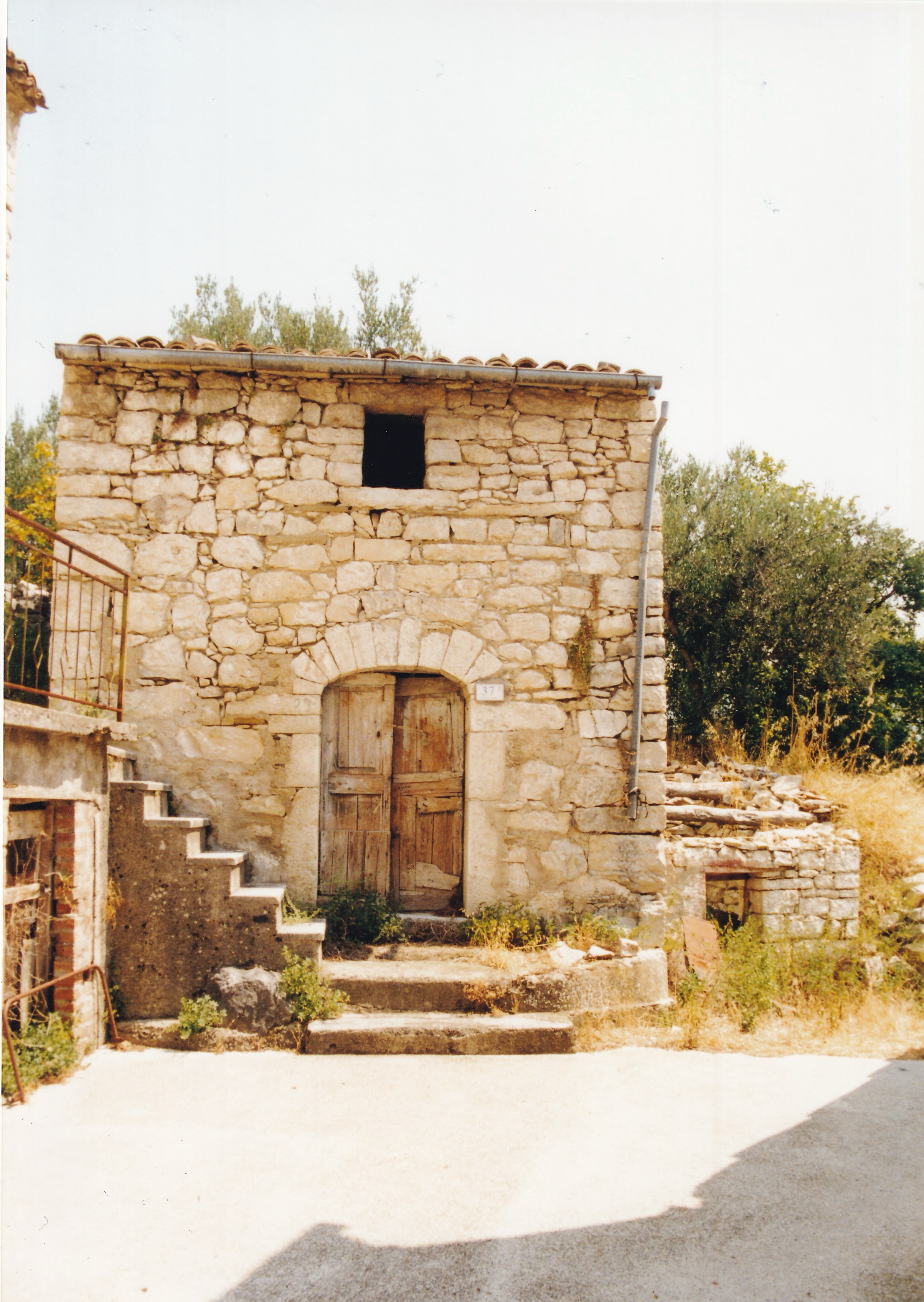
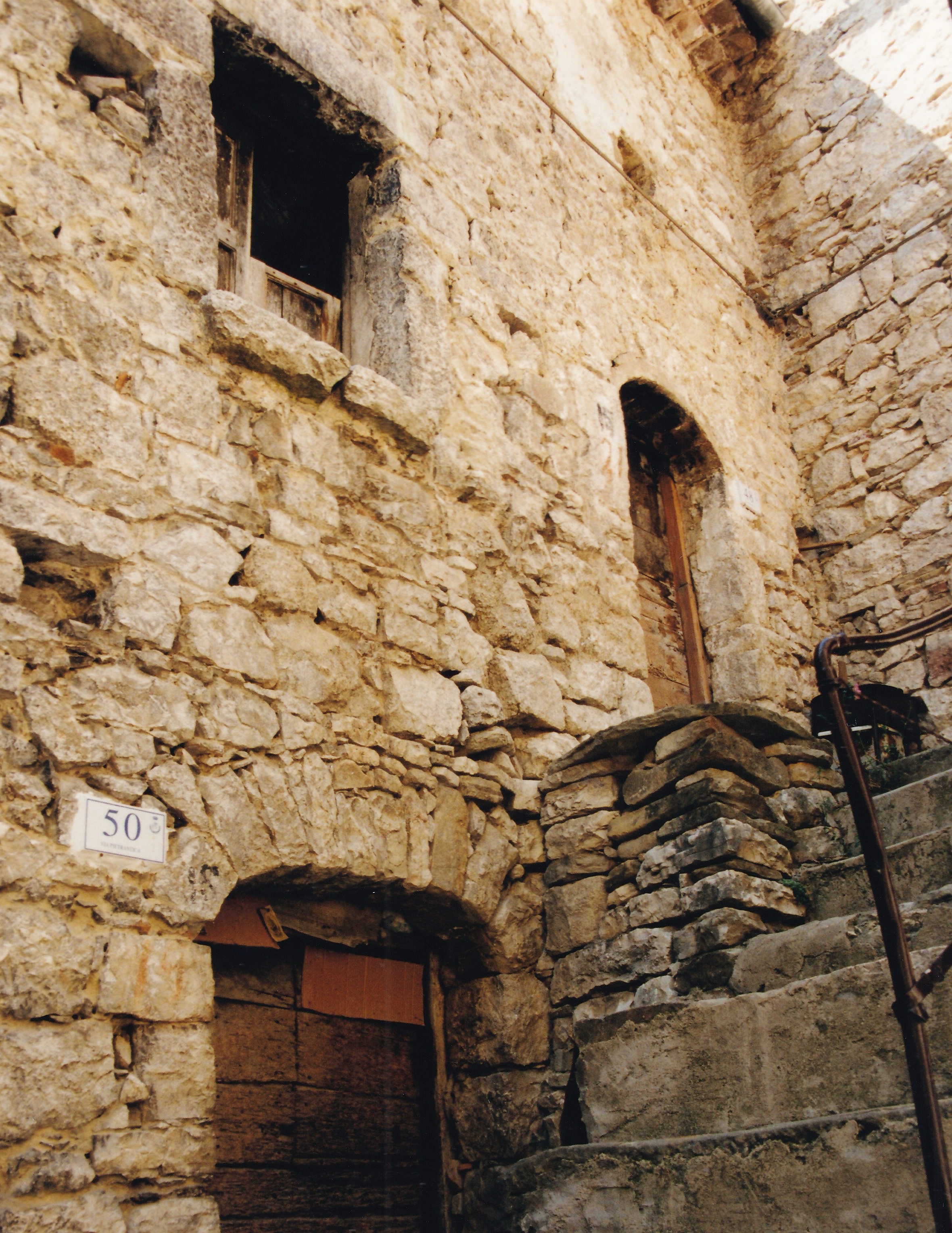
The oldest part of the village was not where it stands today. The original settlement, closer to the river on the hillside now called Contrada S. Nicola, was abandoned after an invasion that forced its inhabitants to move to higher ground. Some writers suggest those invaders were the Saracens, who spread like ants, leaving nothing behind.
La parte più antica del paese non si trovava dove si trova oggi. Il primo insediamento, più vicino al fiume sul versante collinare oggi chiamato Contrada S. Nicola, fu abbandonato a causa di un'invasione che costrinse gli abitanti a spostarsi in posizione più elevata. Alcuni storici ritengono che quegli invasori fossero i Saraceni, che si diffondevano come formiche, non lasciando nulla agli abitanti dei villaggi che invadevano.
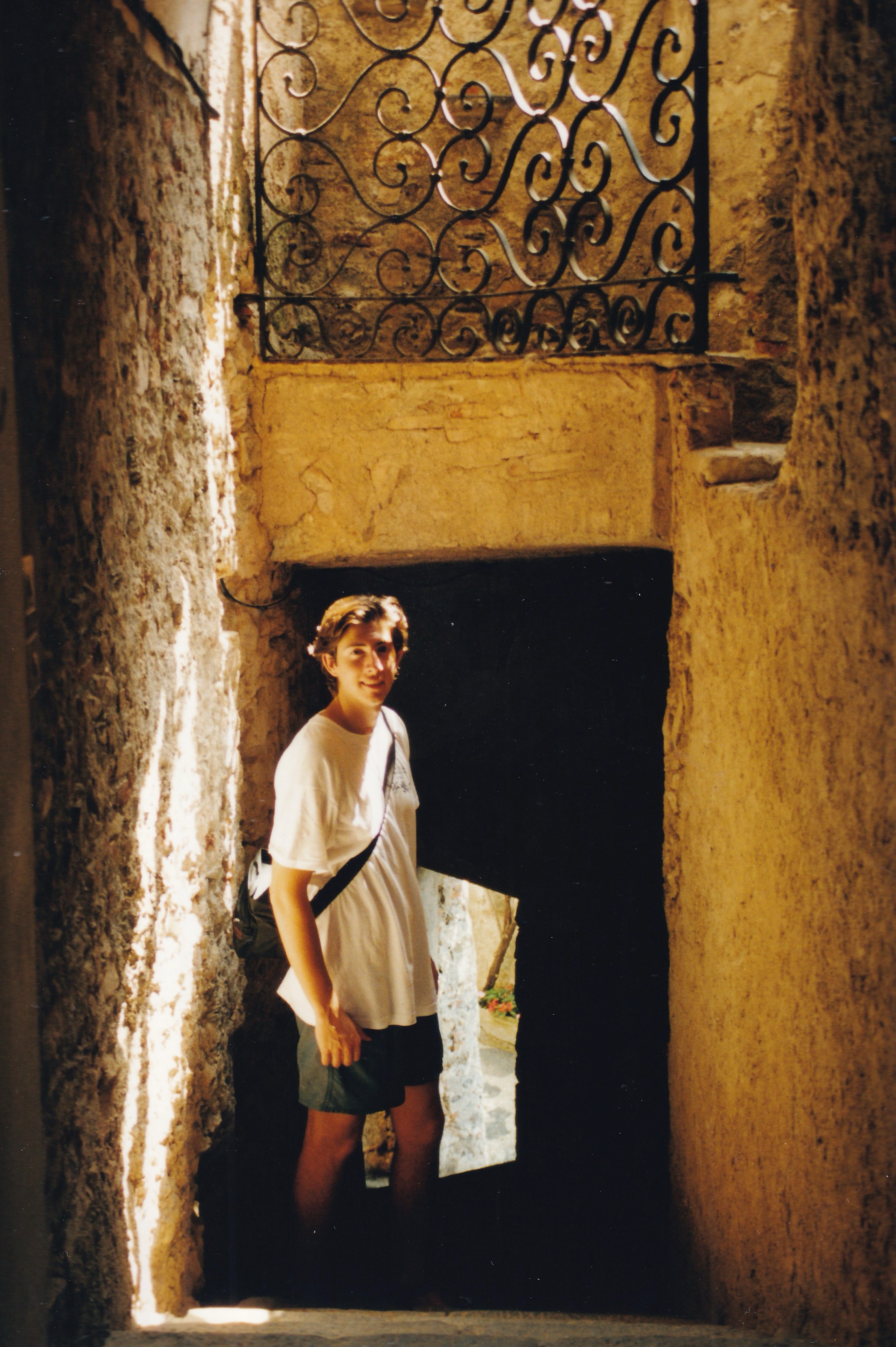
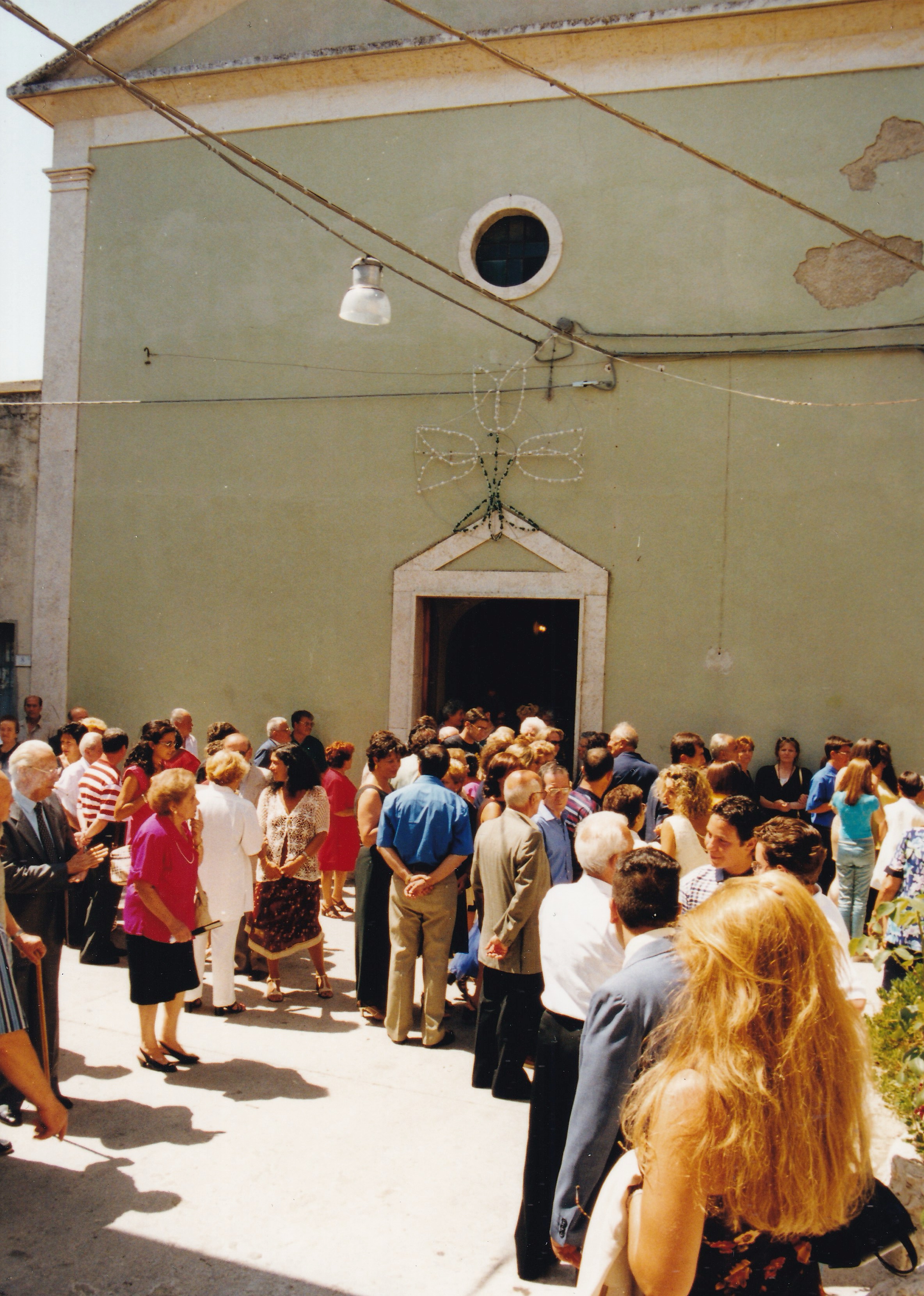
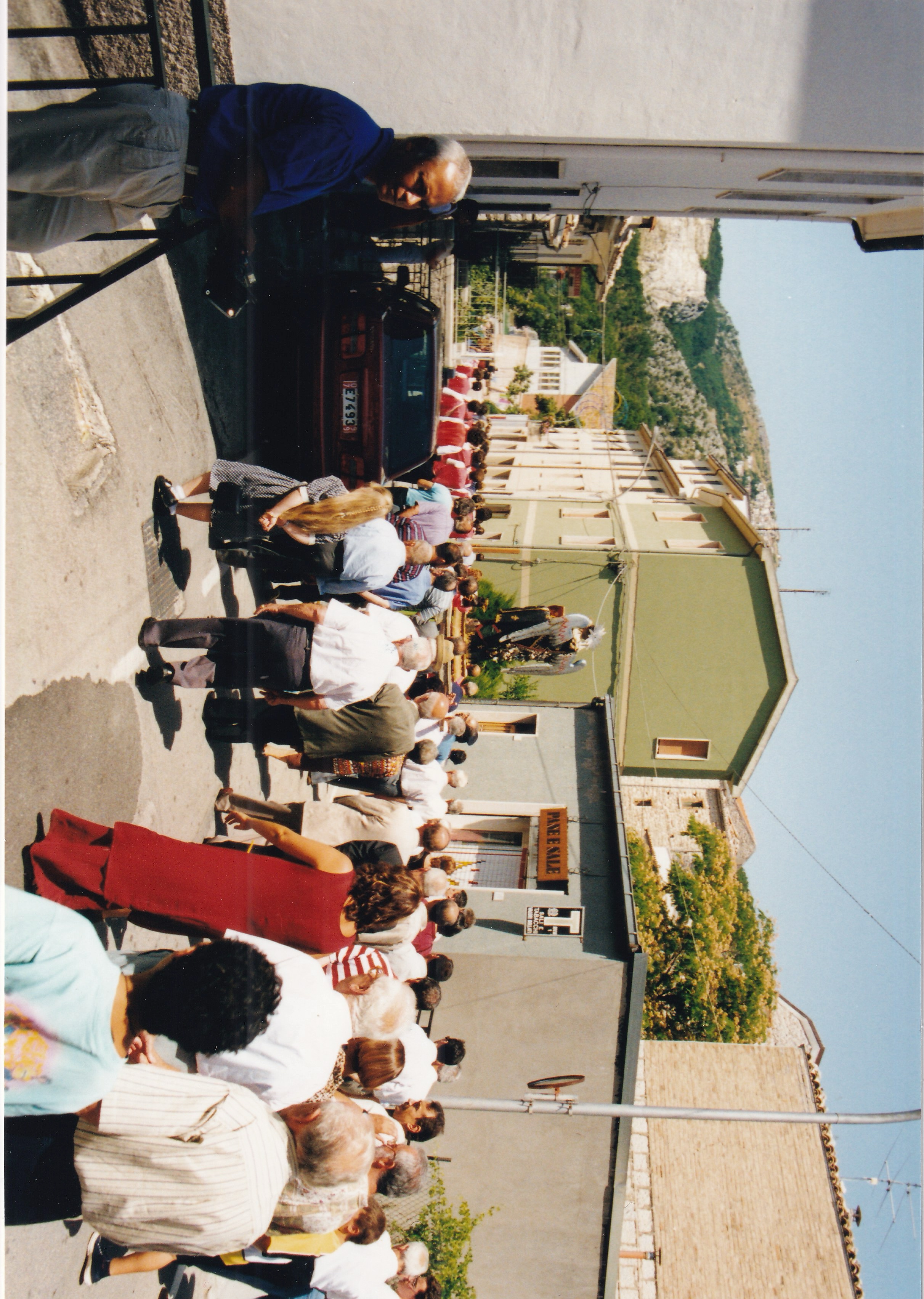
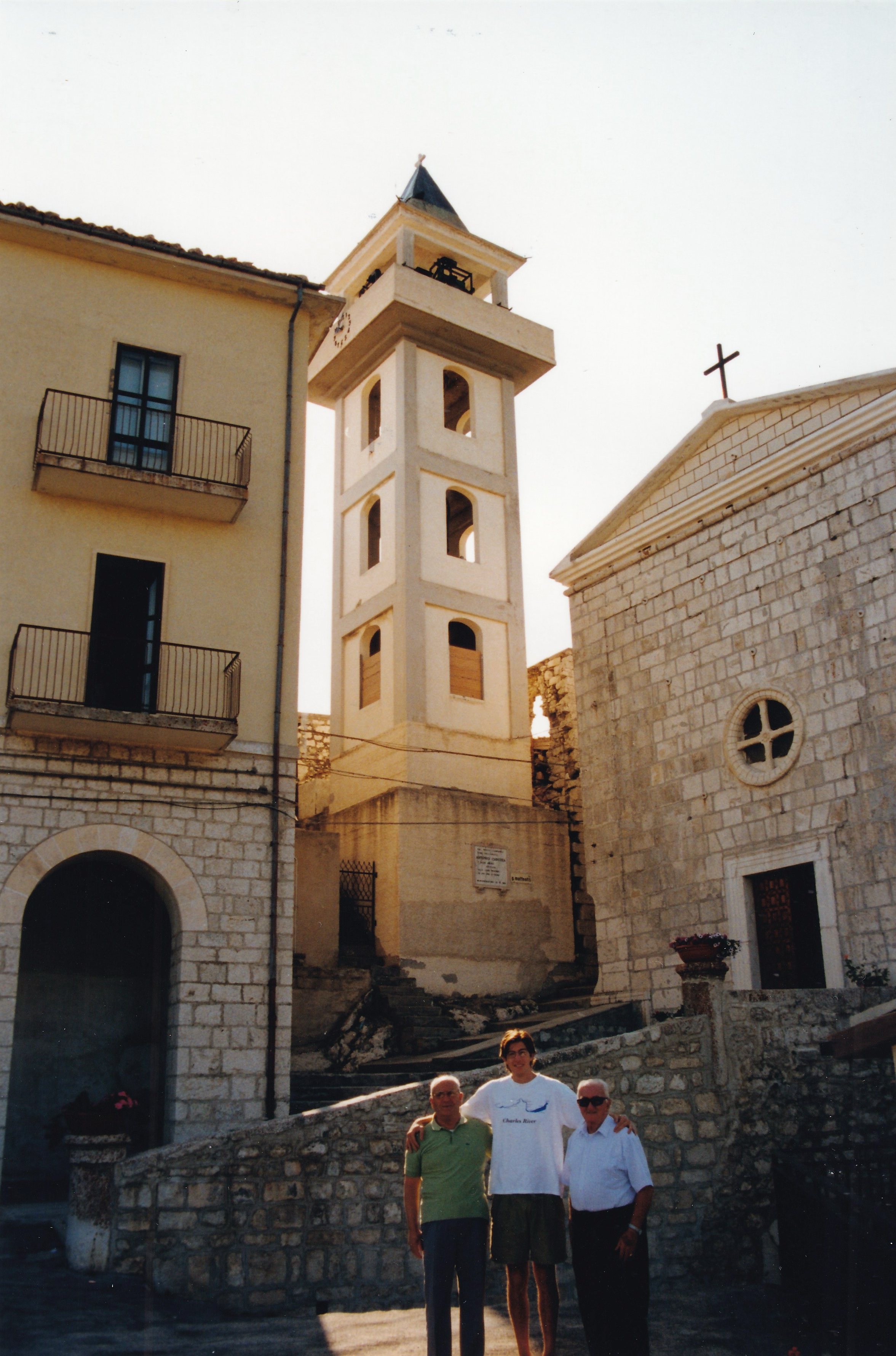
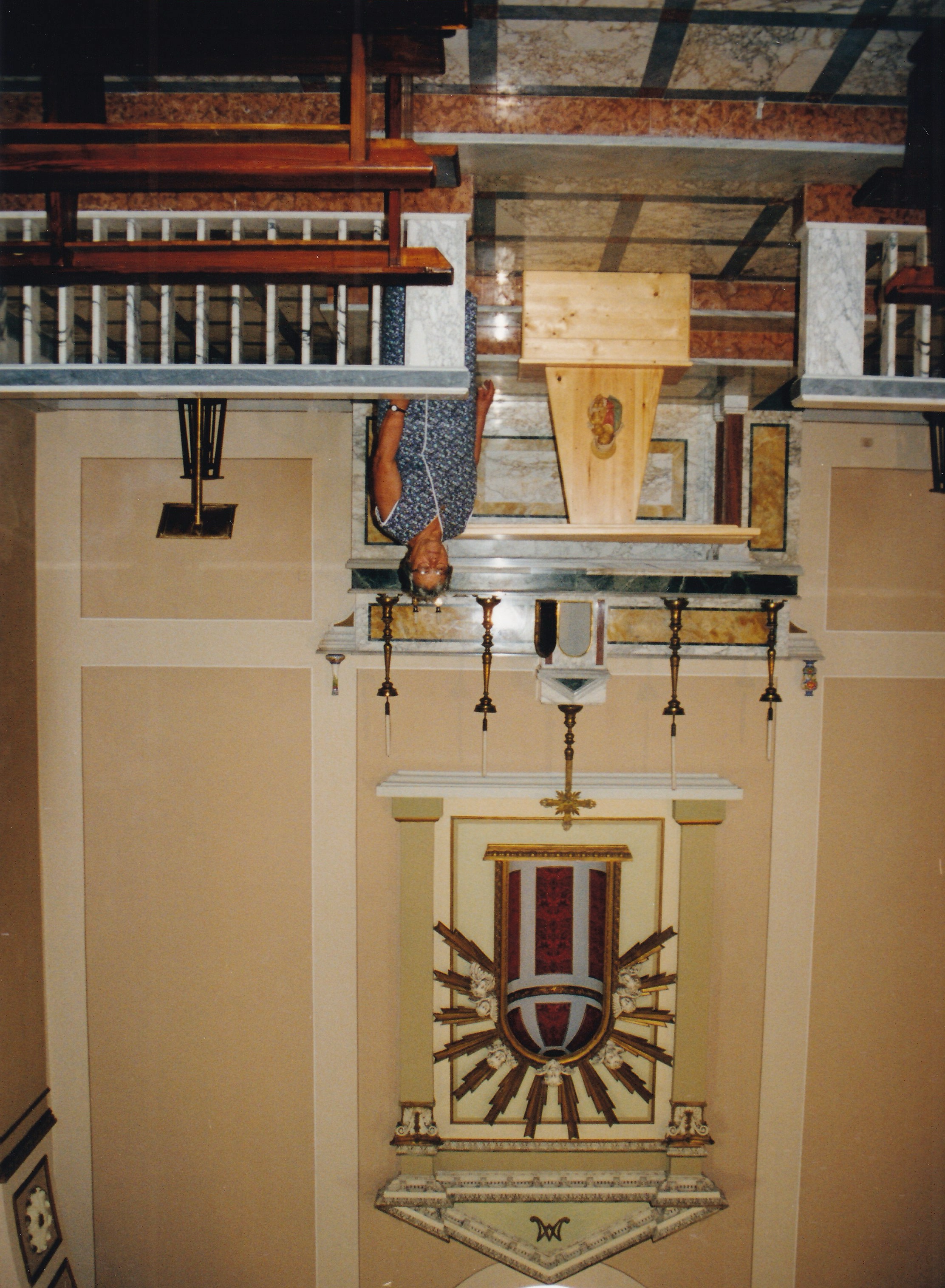
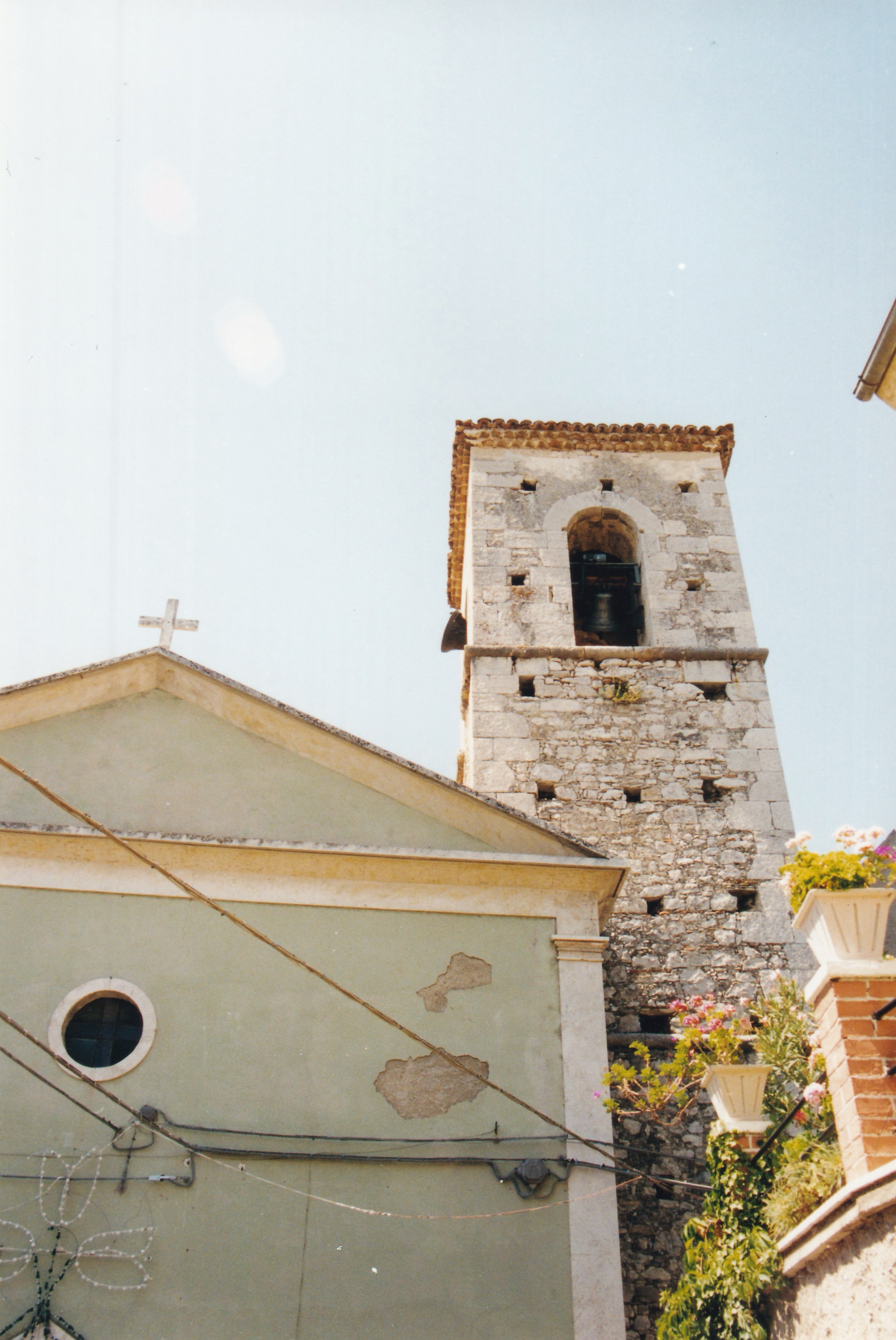
Two churches anchor the village today: the Church of San Giovanni Battista, which houses a polychrome wooden sculpture of the Madonna Enthroned with Child dating to the mid-14th century, and the Church of Maria Santissima del Soccorso, whose altarpiece — the Coronation of the Madonna with San Giovanni Battista and San Nicola di Bari — dates from the late 15th century.
Due chiese sono il cuore del paese: la Chiesa di San Giovanni Battista, che conserva una scultura lignea policroma della Madonna in trono con Bambino (metà del XIV secolo), e la Chiesa di Maria Santissima del Soccorso, con la sua pala d'altare raffigurante l'Incoronazione della Madonna con San Giovanni Battista e San Nicola di Bari (fine XV secolo).
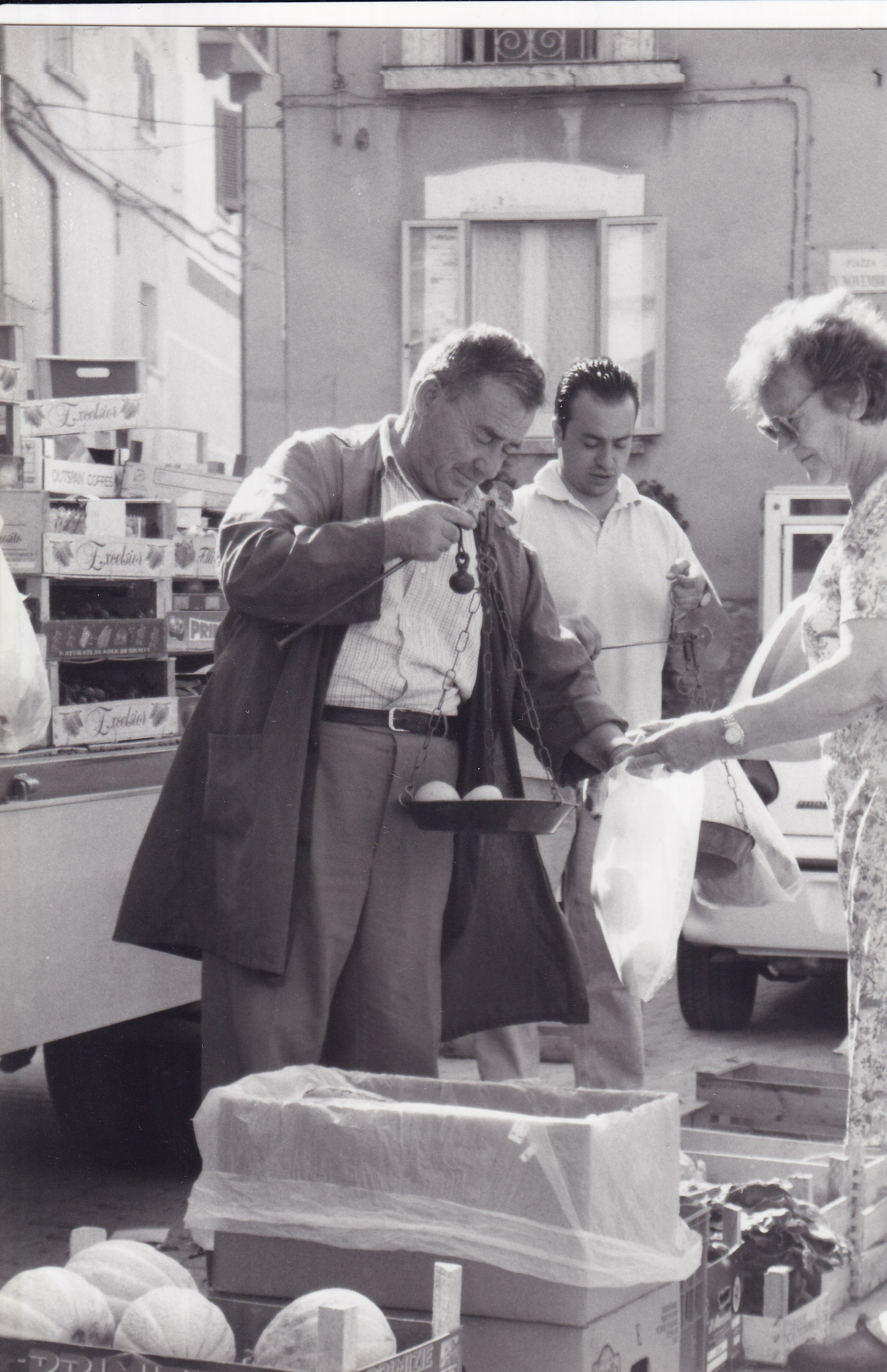
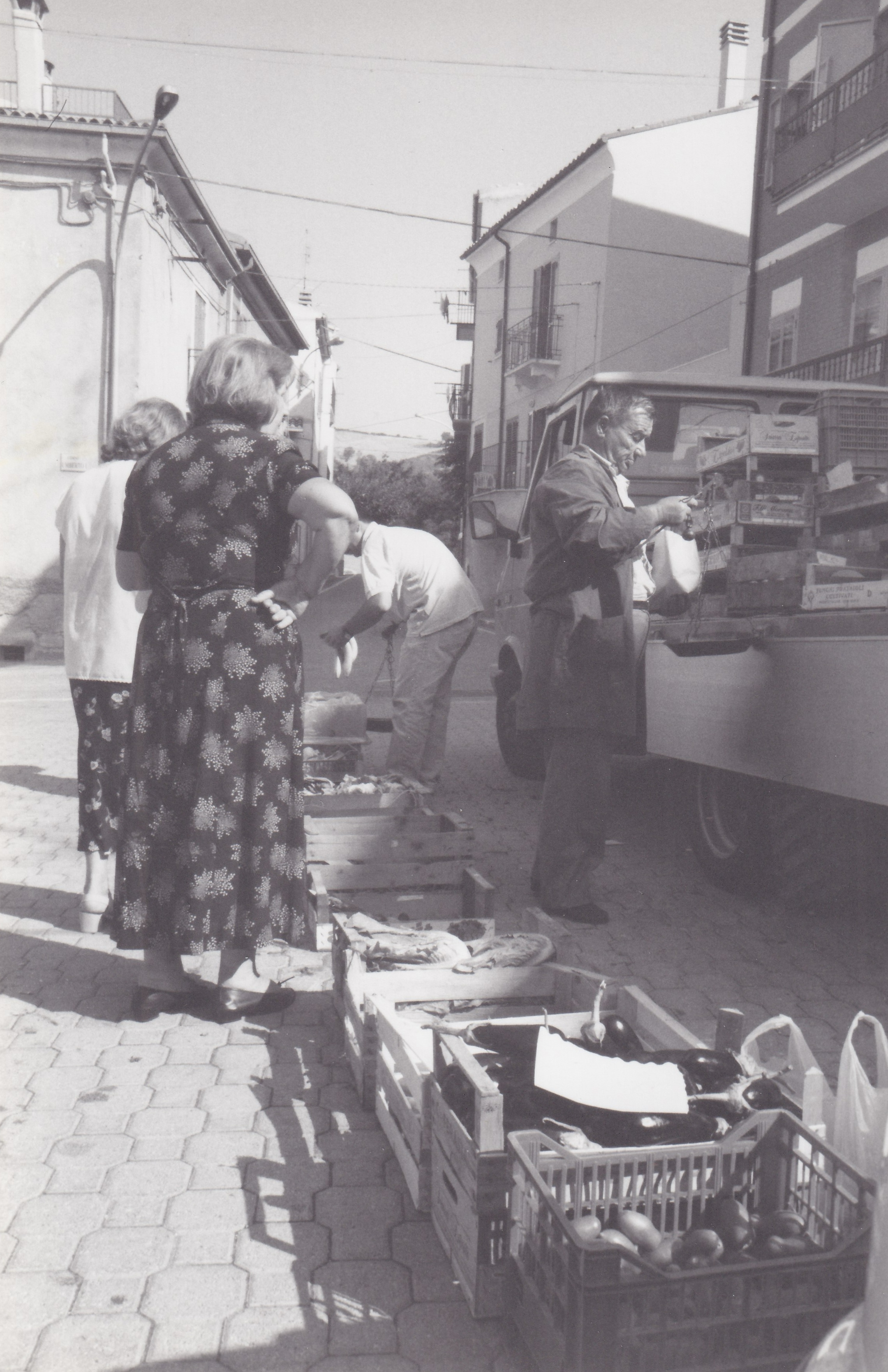
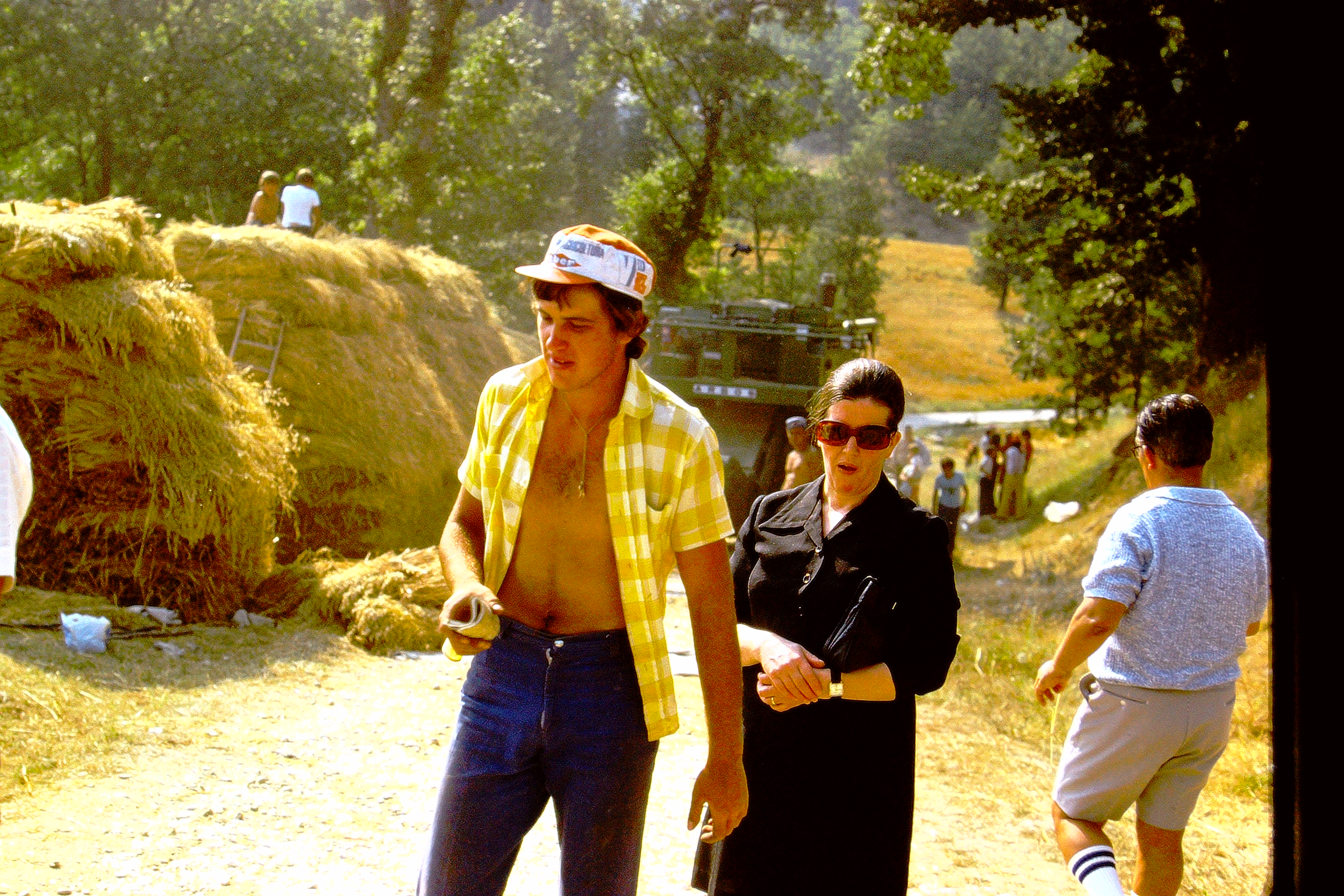
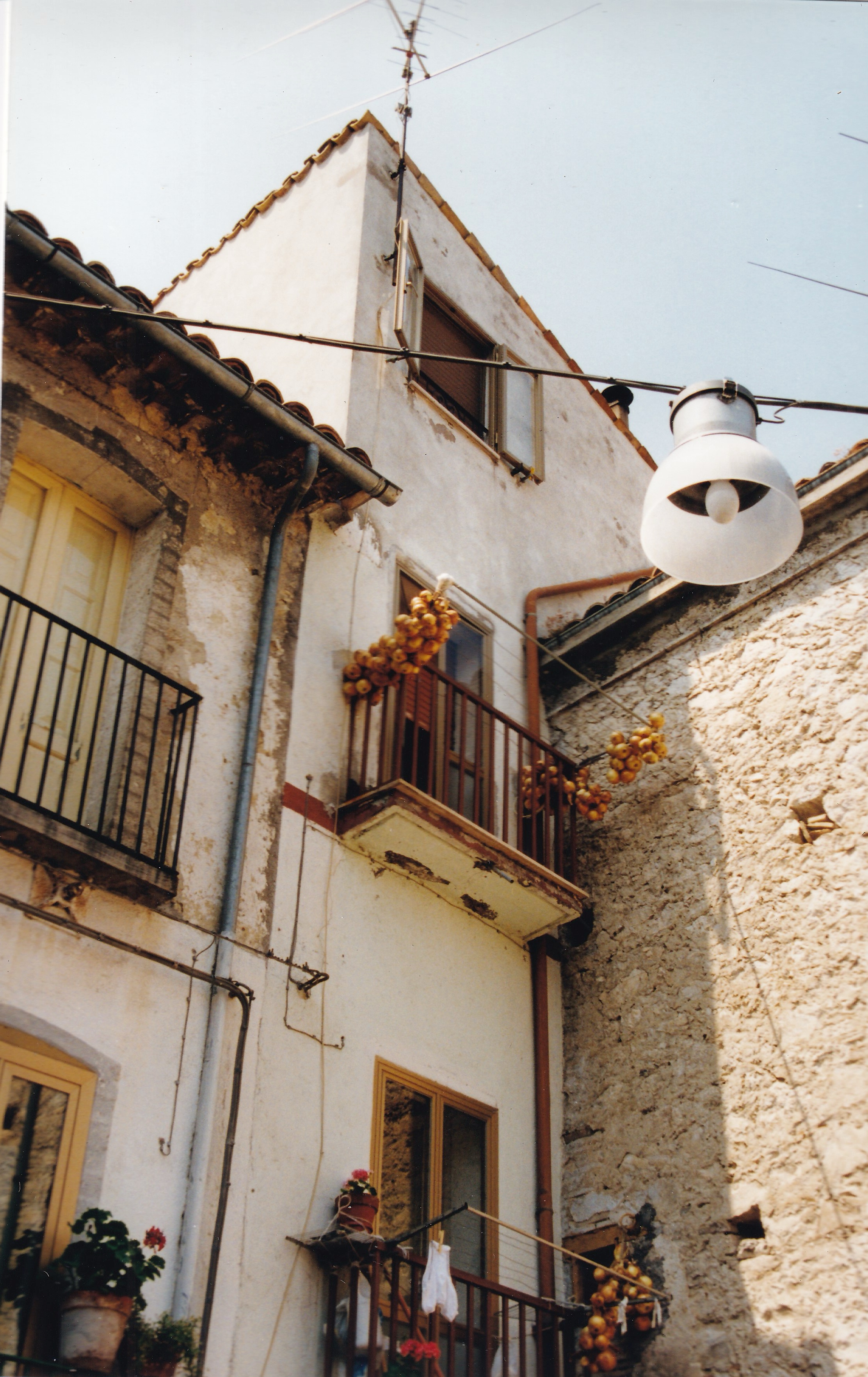
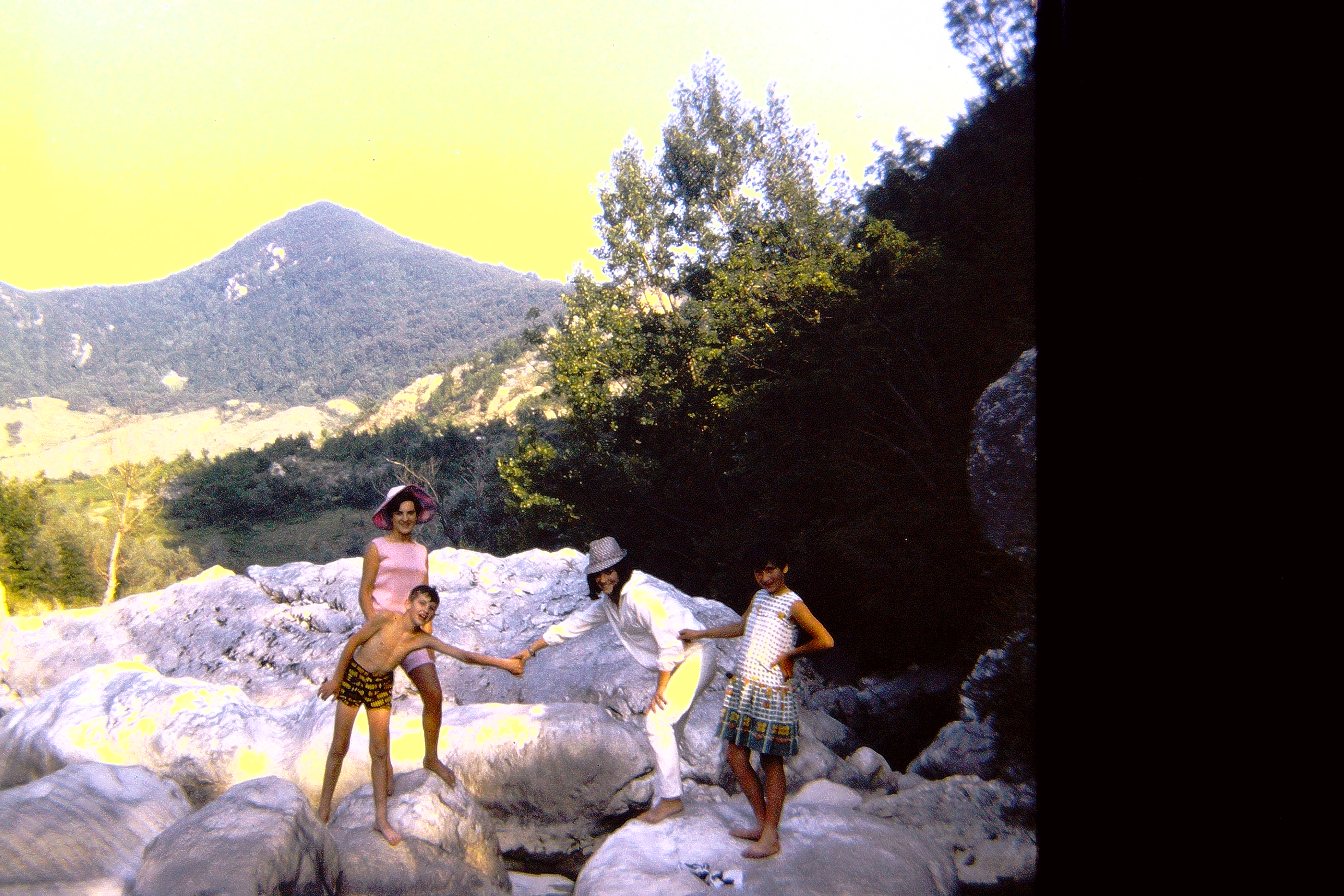
Fallo was strictly a farming town. The mountainous terrain limited the arable land, but families grew wheat, corn, and potatoes, and produced wine and olive oil of good quality. Nearly every household kept sheep, goats, rabbits, and pigs. Winter was long with heavy snow but the cold was never extreme. Spring brought rain, blooming fruit trees, and the fragrance of violets. Summer was warm but seldom humid — children bathed in the Sangro, which flowed peacefully in the valley below. Autumn brought the colours of foliage, the joy of harvest, and the smell of newly made wine.
Fallo era un paese strettamente agricolo. Il terreno montuoso limitava la terra coltivabile, ma le famiglie coltivavano grano, granturco e patate, e producevano vino e olio d'oliva di buona qualità. Quasi ogni famiglia allevava pecore, capre, conigli e maiali. L'inverno era lungo e nevoso, ma il freddo non era mai estremo. La primavera portava pioggia, alberi in fiore e il profumo delle viole. L'estate era calda ma raramente afosa — i bambini facevano il bagno nel Sangro, che scorreva placido nella valle sottostante. L'autunno portava i colori del fogliame, la gioia del raccolto e l'odore del vino appena fatto.
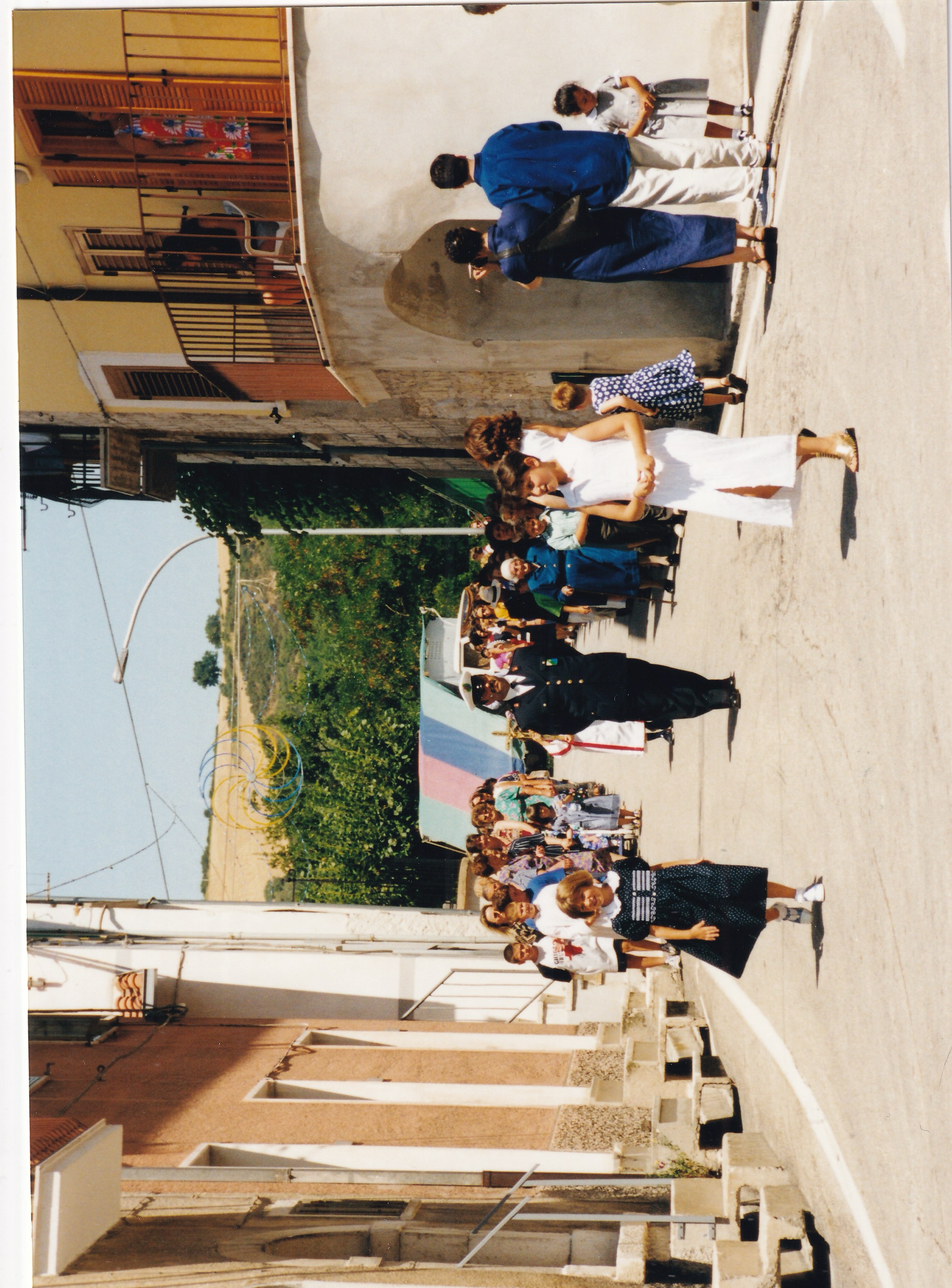
In the 1930s, some 700 to 800 people lived in Fallo — everyone knew everyone, and most were related in some way. The town had two variety stores, two butcher shops, a bakery, and a wine bar where men gathered for card games. Water came from a stone fountain about a mile down the road, ingeniously built with three spouts for filling containers, side tubs for watering animals, and a back section for washing clothes — and it was also, by local memory, a place for romantic encounters: it was here that Cesare DeLollis first spotted his future wife, Concetta. In 1936 water was piped into the village, but only as far as four public fountains — never to individual houses. Electricity had arrived in 1927, powered by small turbines on the river below.
Negli anni Trenta, Fallo contava dai 700 agli 800 abitanti — tutti si conoscevano, e quasi tutti erano in qualche modo imparentati. Il paese aveva due botteghe, due macellerie, un forno e un'osteria dove gli uomini si ritrovavano per giocare a carte. L'acqua si attingeva da una fontana in pietra a circa un miglio di distanza, ingegnosamente costruita con tre cannelle per riempire i recipienti, vasche laterali per abbeverare gli animali e un lavatoio sul retro per il bucato — ed era anche, nella memoria del paese, un luogo di incontri romantici: fu proprio qui che Cesare DeLollis vide per la prima volta la sua futura moglie, Concetta. Nel 1936 l'acqua fu portata in paese, ma solo fino a quattro fontane pubbliche — mai alle singole abitazioni. L'elettricità era arrivata nel 1927, prodotta da piccole turbine sul fiume.
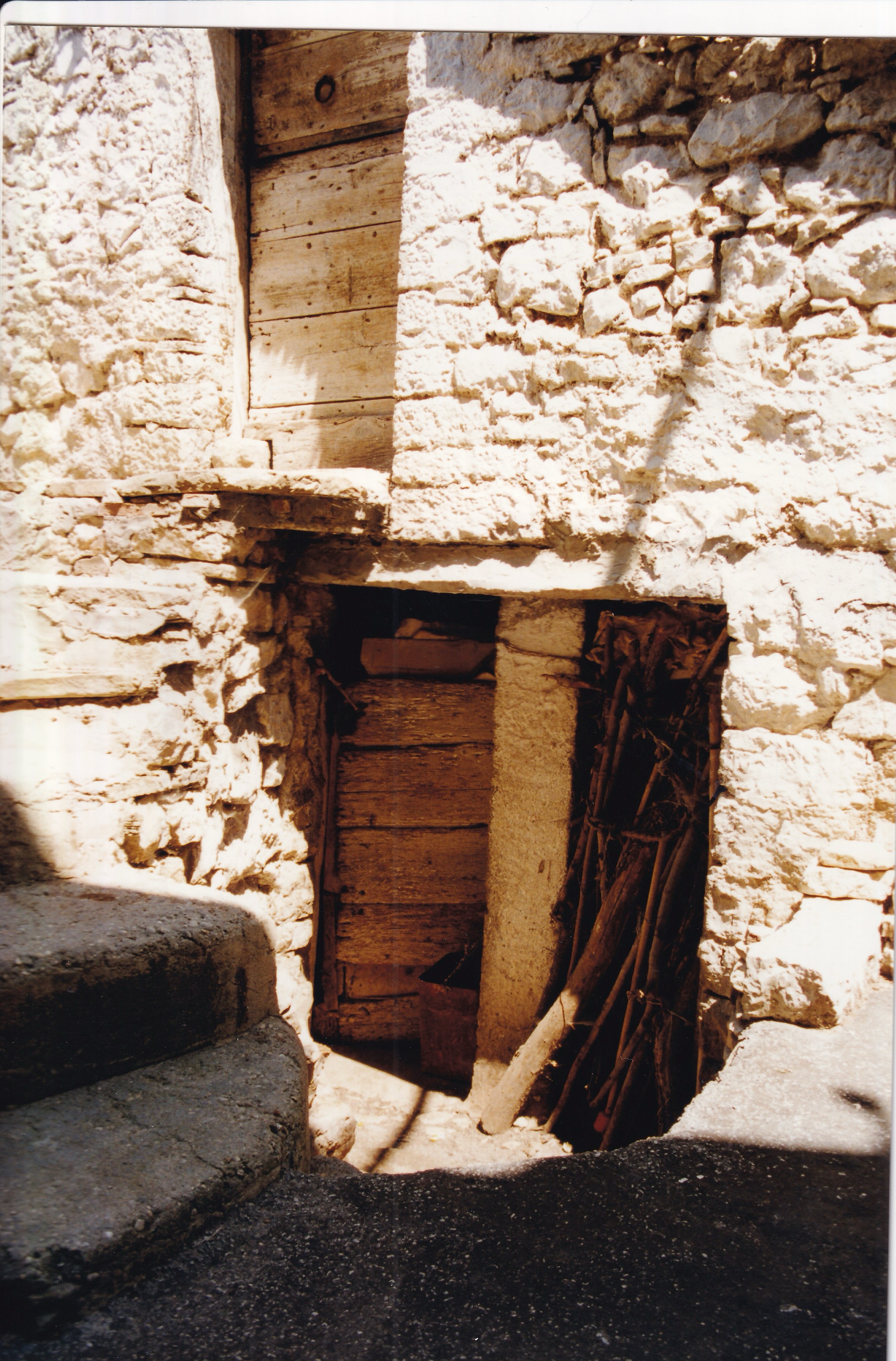
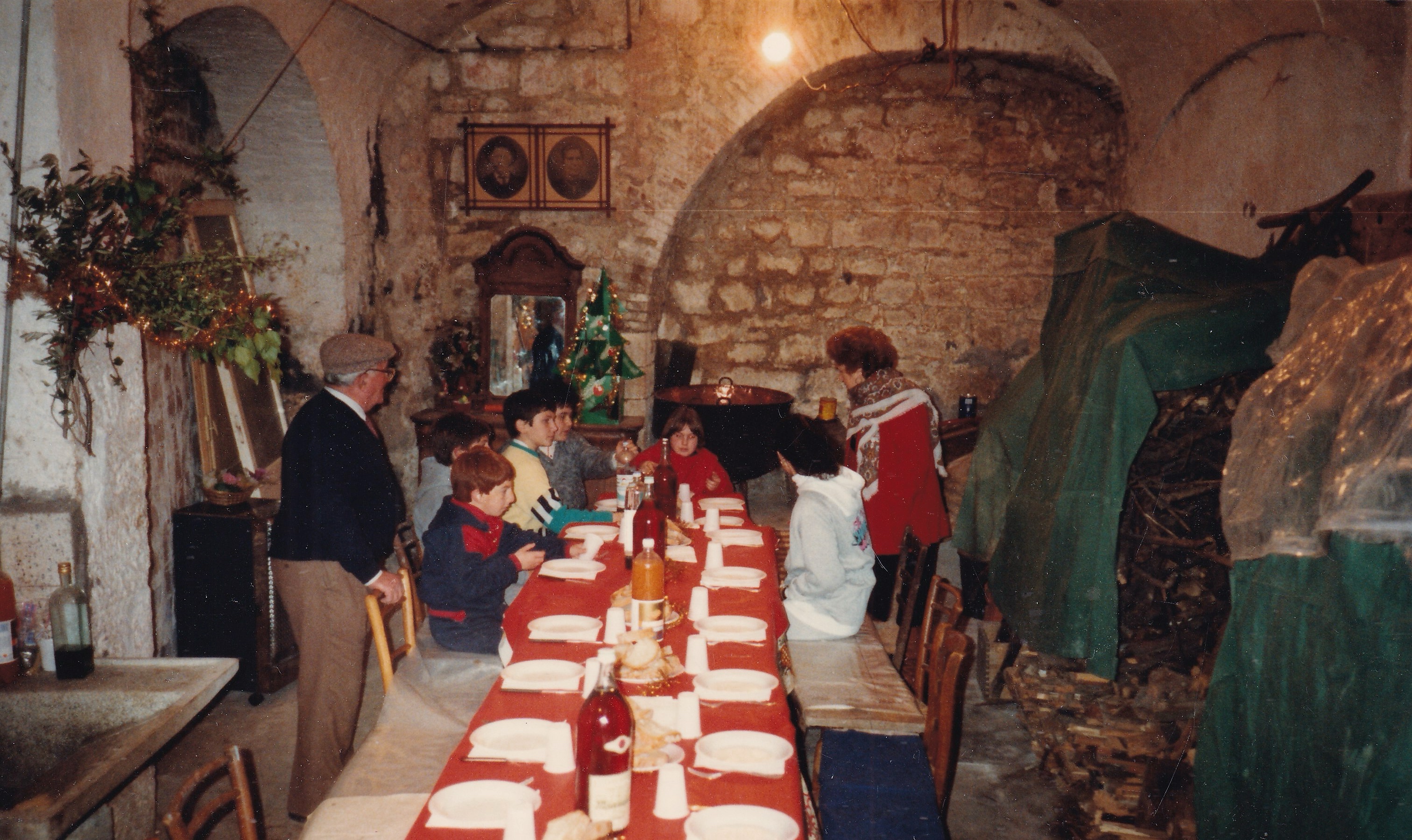
The olive oil mill, owned for generations by the DeLollis family, ran with a solid stone wheel turned by a donkey. But the true centre of family life was the wine cellar beneath the DeLollis house — a cave-like room with no windows, boulders protruding from the earthen floor, and a constant cool breeze year-round. Here they made and stored wine, prepared sausages and prosciutti, and kept grain, oil, potatoes, and everything needed to feed the family through the year.
Il frantoio, di proprietà della famiglia DeLollis da generazioni, funzionava con una solida macina di pietra azionata da un asino. Ma il vero centro della vita familiare era la cantina sotto la casa dei DeLollis — una stanza simile a una grotta, senza finestre, con massi che sporgevano dal pavimento in terra battuta e una brezza fresca costante tutto l'anno. Qui si faceva e si conservava il vino, si preparavano salsicce e prosciutti, e si custodivano grano, olio, patate e tutto ciò che serviva per sfamare la famiglia durante l'intero anno.
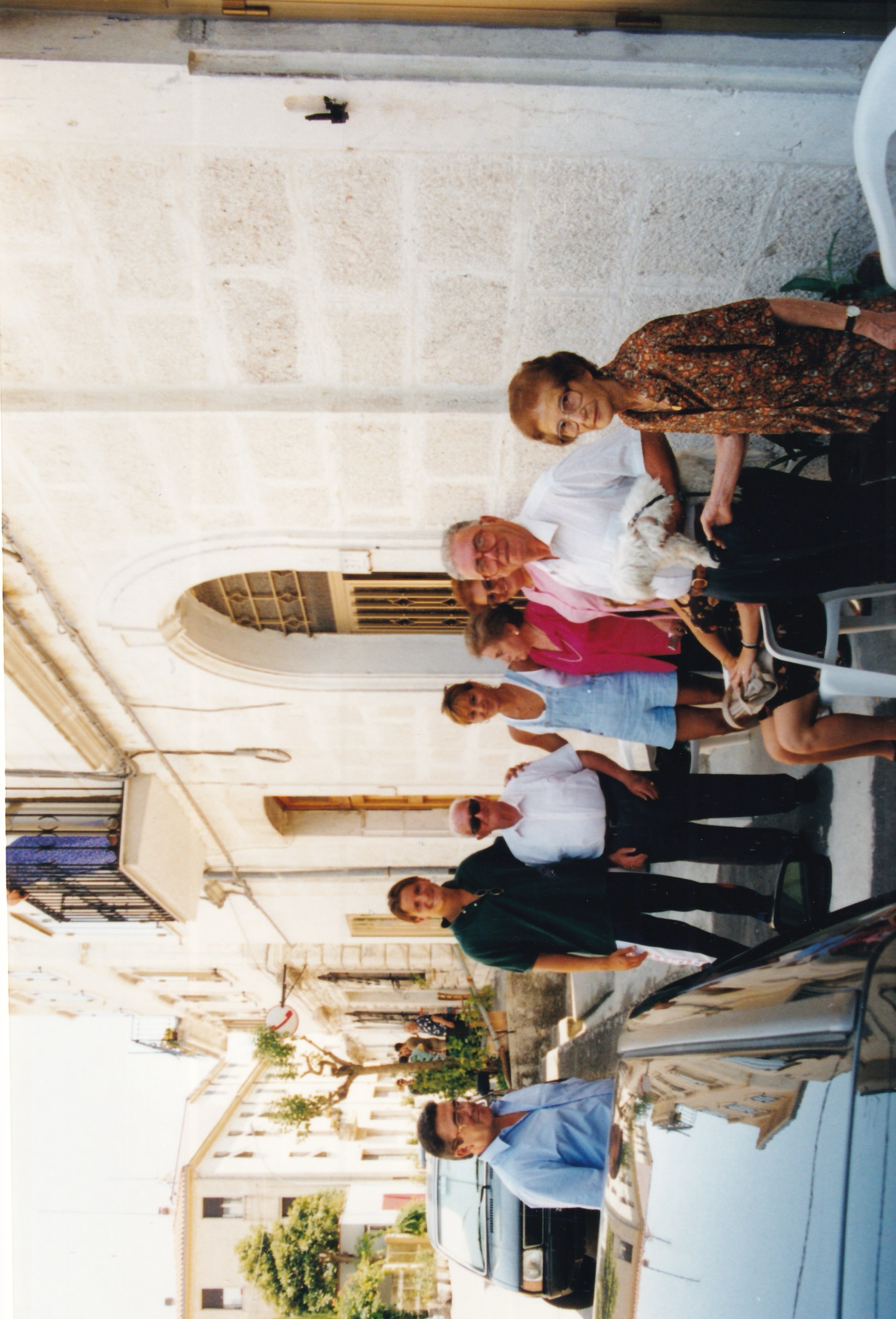
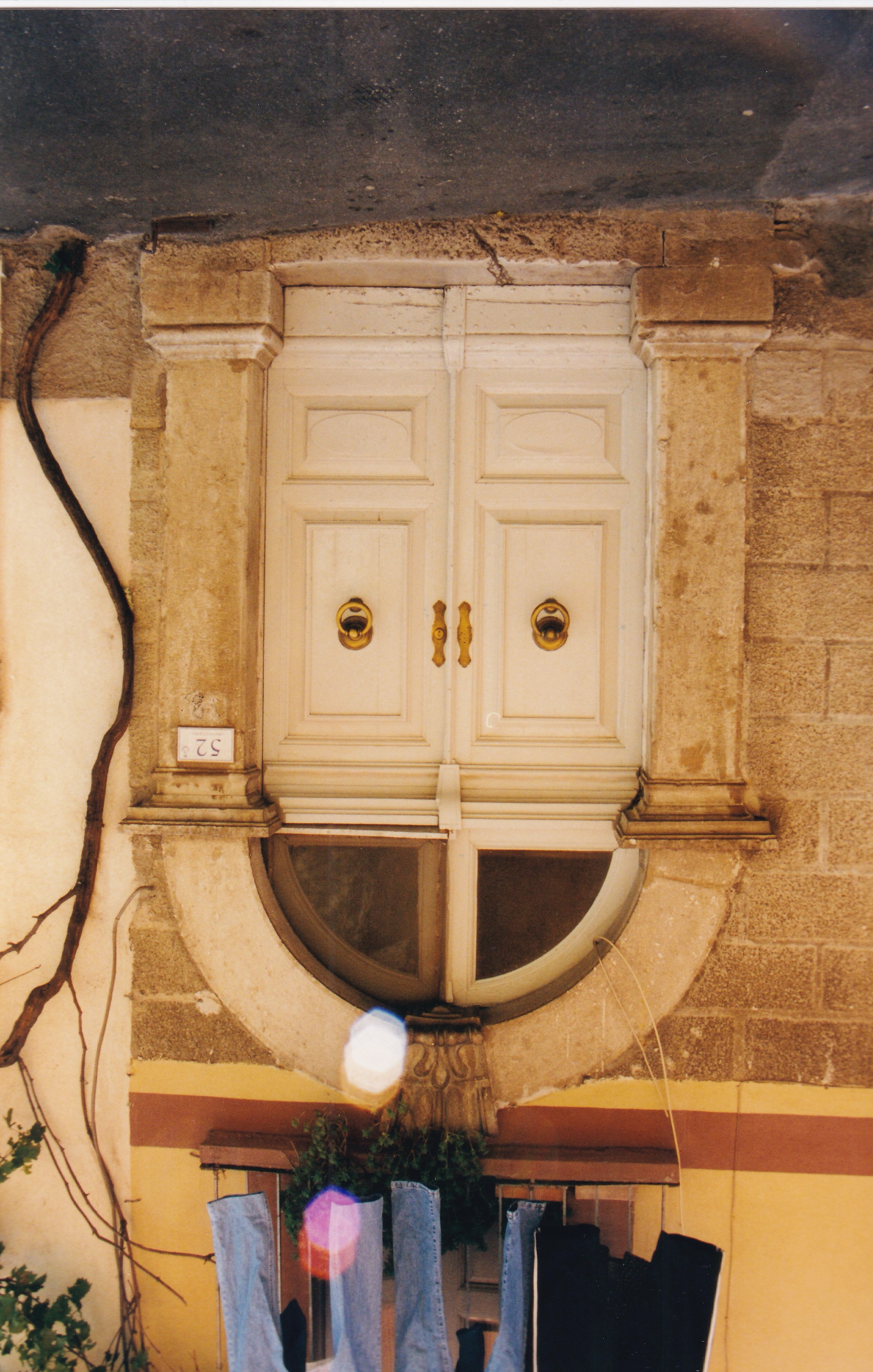
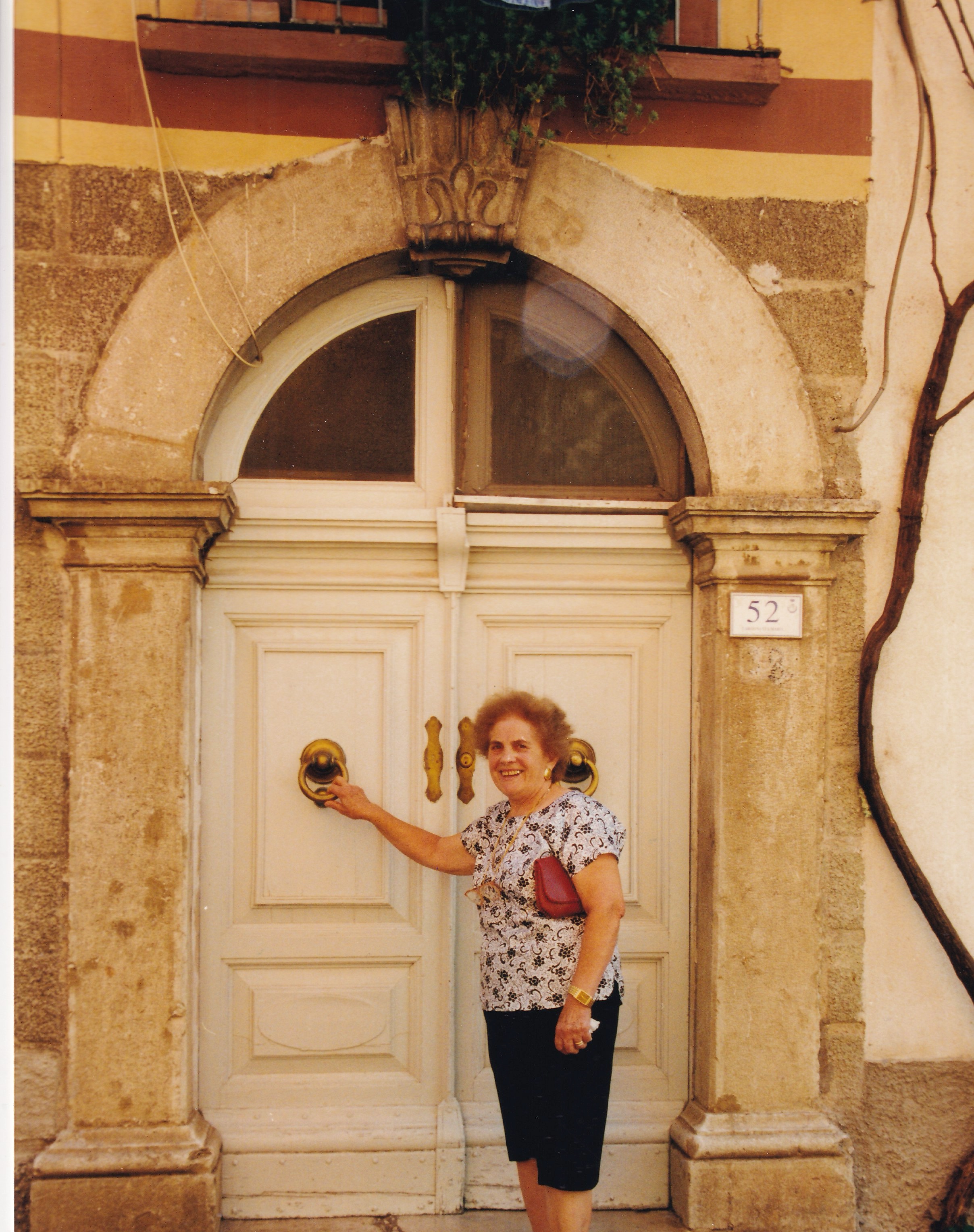
The names DiGironimo and DeLollis have deep roots in Fallo. The DeLollis are a millennial family of Spanish heritage who migrated to Italy toward the end of the XII century. Heraldic documents in the Vatican Library record that in 1590, Benedetto DeLollis was a Lictor of the Sacred Roman Empire. Those who settled in Abruzzo became deeply attached to the Church: Bernardino DeLollis was head priest of San Giovanni Battista in 1753, Adamo DeLollis in 1803, Michele DeLollis from 1806. The family also produced writers — among them Alceste DeLollis, patriot and writer, born in Fallo in 1820, and his son Cesare DeLollis, who became a celebrated professor of romance languages. The family house, a twelve-room dwelling across from the Church of Maria Santissima del Soccorso, saw generation after generation born within its walls — the last being Olindo DeLollis, born in 1931. And the two families were bound together: Vincenzo and Domenica DiGironimo served as godparents to the DeLollis children, a bond that held across generations.
I nomi DiGironimo e DeLollis hanno radici profonde a Fallo. I DeLollis sono una famiglia millenaria di origine spagnola, migrata in Italia verso la fine del XII secolo. Documenti araldici della Biblioteca Vaticana attestano che nel 1590 Benedetto DeLollis fu Littore del Sacro Romano Impero. Quelli stabilitisi in Abruzzo divennero profondamente legati alla Chiesa: Bernardino DeLollis fu parroco di San Giovanni Battista nel 1753, Adamo DeLollis nel 1803, Michele DeLollis dal 1806. La famiglia diede anche scrittori — tra cui Alceste DeLollis, patriota e scrittore, nato a Fallo nel 1820, e suo figlio Cesare DeLollis, divenuto celebre professore di lingue romanze. La casa di famiglia, un edificio di dodici stanze di fronte alla Chiesa di Maria Santissima del Soccorso, vide nascere generazione dopo generazione tra le sue mura — l'ultimo fu Olindo DeLollis, nato nel 1931. E le due famiglie erano legate tra loro: Vincenzo e Domenica DiGironimo furono padrini dei figli DeLollis, un vincolo che resistette attraverso le generazioni.